Phil Lanoue Photography
I previously worked as a news and sports photographer. Recently I have been enjoying wildlife photography. My approach toward bird photos is similar to sports photography. I attempt to capture mostly action and hopefully a unique perspective.
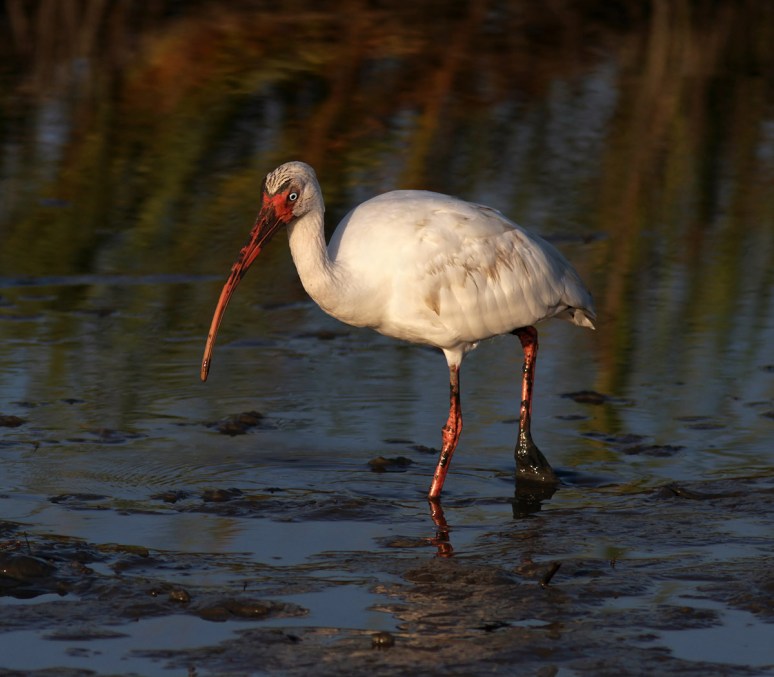
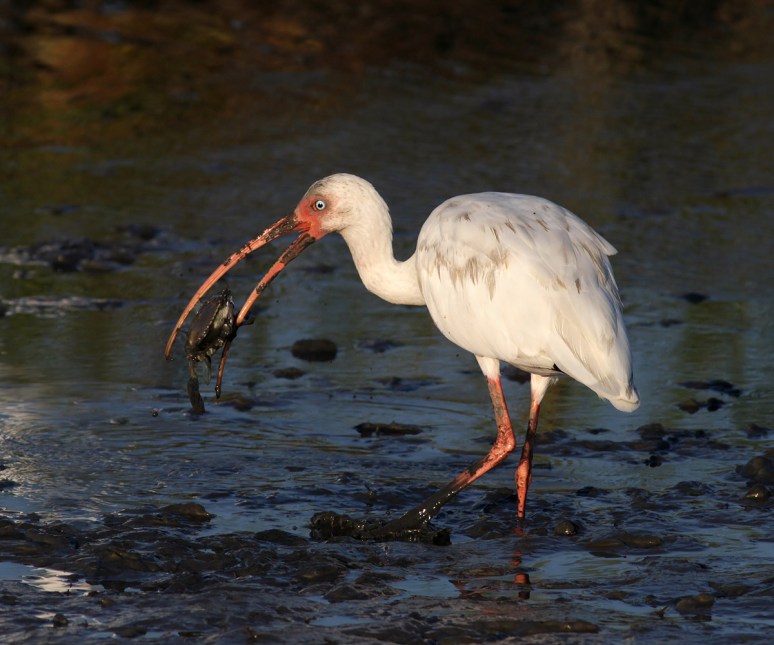
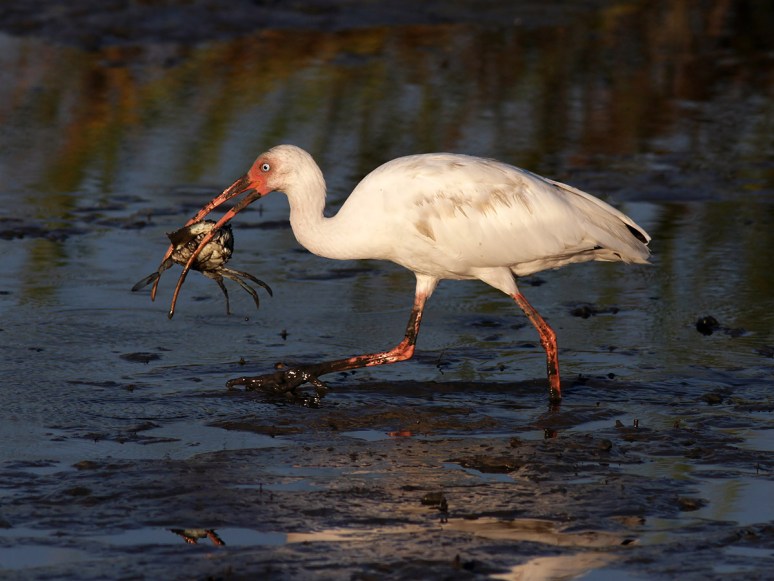
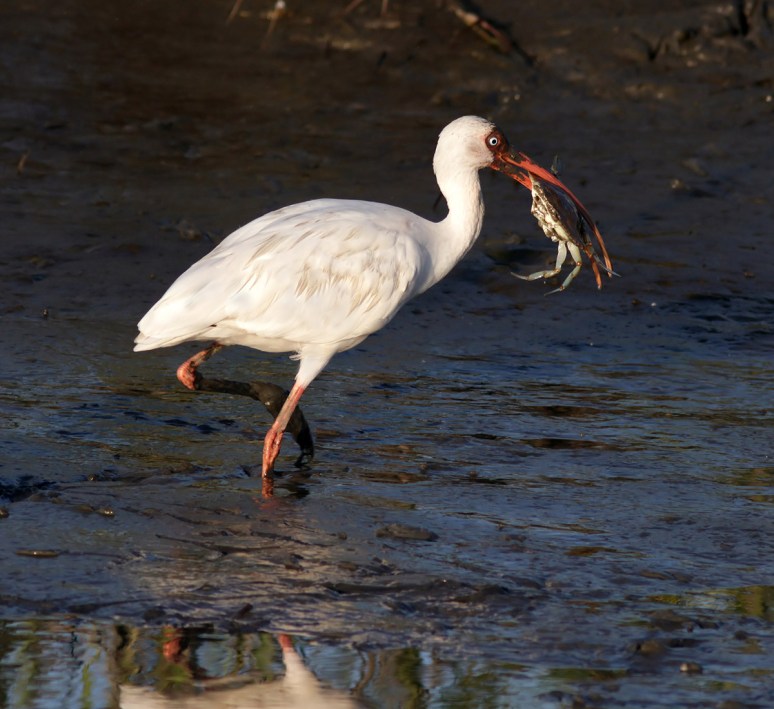
Fresh Crab For Dinner!
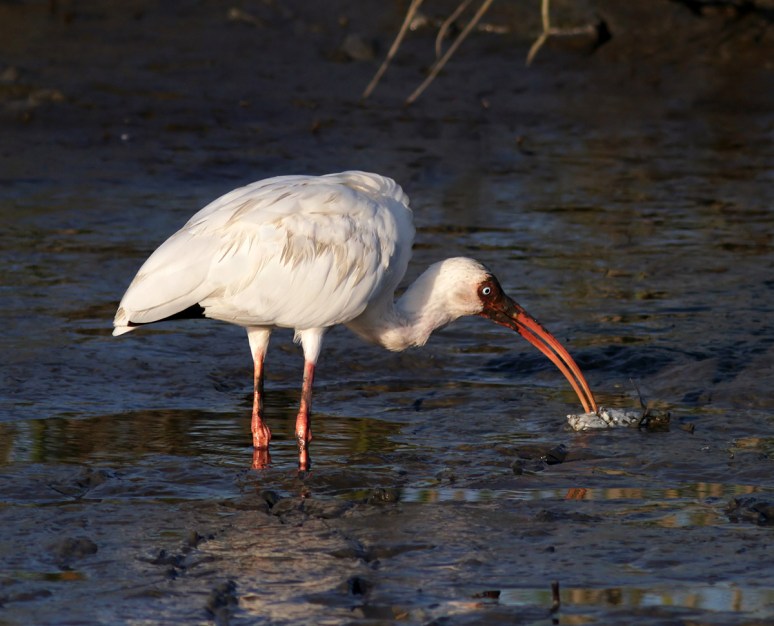
Earlier this week we watched a white ibis patrolling around in the salt marsh during low tide in search of a meal.
It wasn’t long before the ibis spotted a blue crab which it immediately plucked out of the marsh mud.
The ibis marched back and forth with it’s catch for a bit making sure no other birds had noticed the activity.
There had been a great blue heron in the area a little earlier, and that much larger bird would most likely have taken a shot at stealing the crab from the ibis if it had a chance!
Finally though, the ibis settled down and proceeded to eat and enjoy it’s fresh caught crab dinner.
Sunset Cruise!
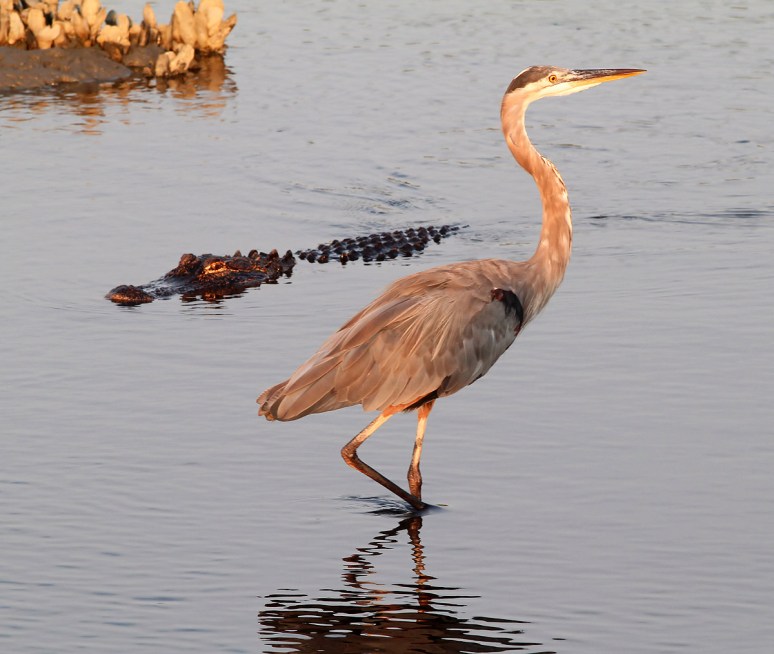
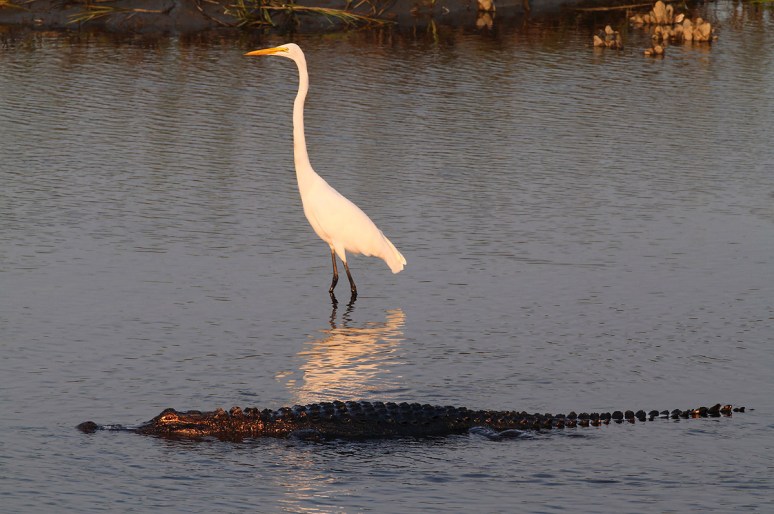
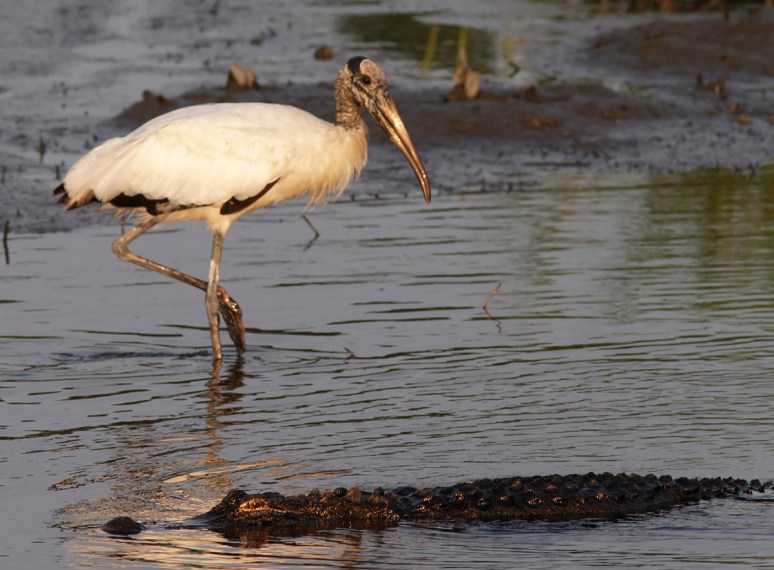
A few days ago we were watching an alligator that was feeding in the salt marsh at low tide.
The alligators do not live in the salt water, but they will make brief visits to hunt for food.
As the evening was coming to a close and the sun was beginning to set, the gator decided it was time to move on and slowly make it’s way down to the other end of the marsh.
Along the way the alligator passed by a few of the other local marsh visiters who were also winding down their day.
These included a group of white ibis and a young tricolored heron. Also a great blue heron, a great egret, and a wood stork.
These photos were all taken within a five minute period!

Time Lapse Of Afternoon Sky And Clouds
I have been fooling around lately with doing short time lapse videos.
Here is a 19 second time lapse of the afternoon sky and clouds taken today.
I wanted to run it longer but stopped taking the images when the sun came out so strongly.
This was 440 photos, one taken every five seconds, to make this 19 second video.
Black Skimmers Fishing
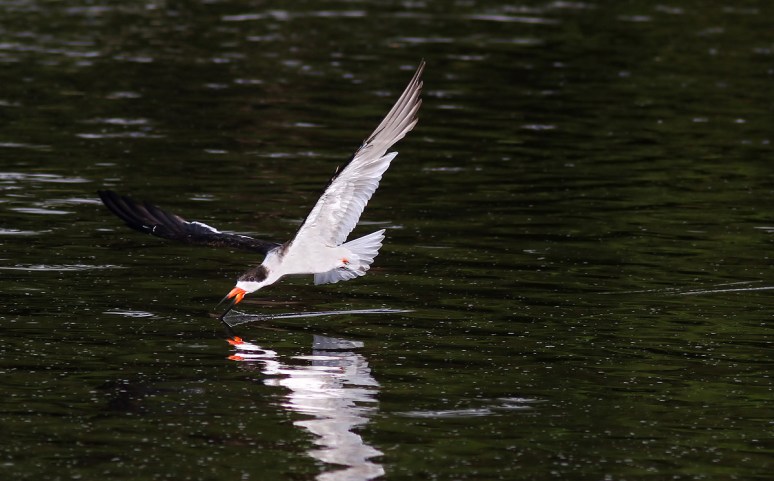
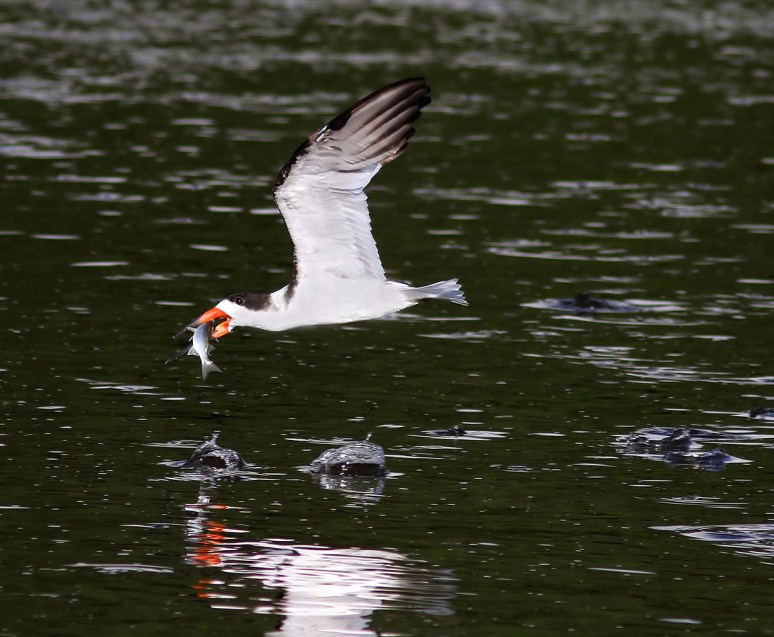
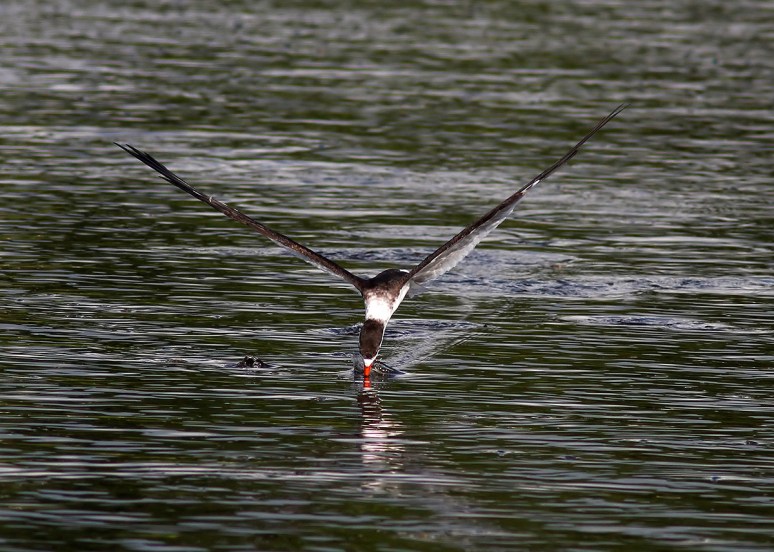
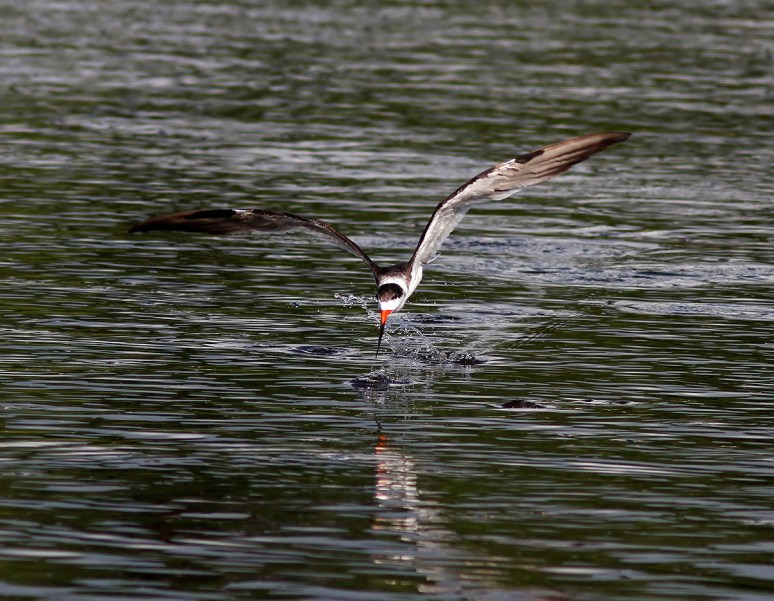
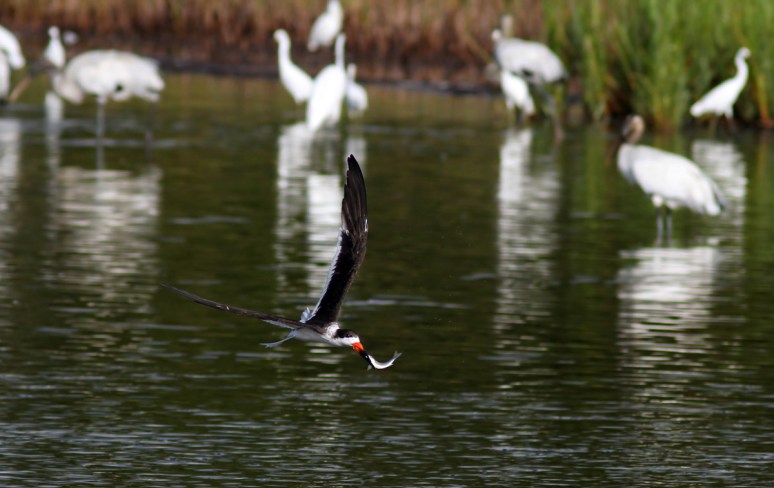
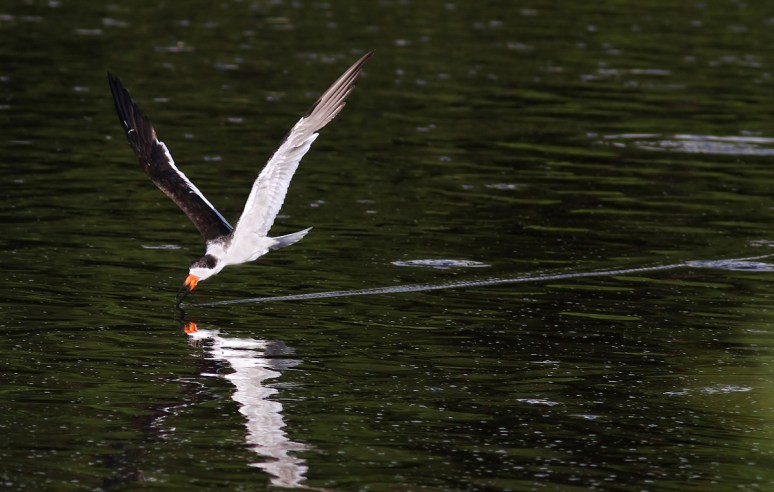
A while back we had the opportunity to observe some black skimmers operating in the marsh pond.
The black skimmer “skims” low, dipping the lower portion of it’s bill into the water, snapping it shut when it comes in contact with a fish.
They have very long wings and are extremely fast flyers.
In one photo you can see wood storks and egrets in the background feeding at the far edge of the marsh pond.
“You Can Look But You Can’t Touch!”
I saw this great egret pluck a nice fish out of the salt marsh recently and the bird turned toward me and seemed to be proudly showing off it’s catch right before he swallowed the fish.
But the egret also appeared to be making it clear that this was his fish, he caught it, and he was keeping it. I would be permitted to look at and admire the catch, but don’t get any thoughts of trying to take it.
I, of course, would never consider such a thing!

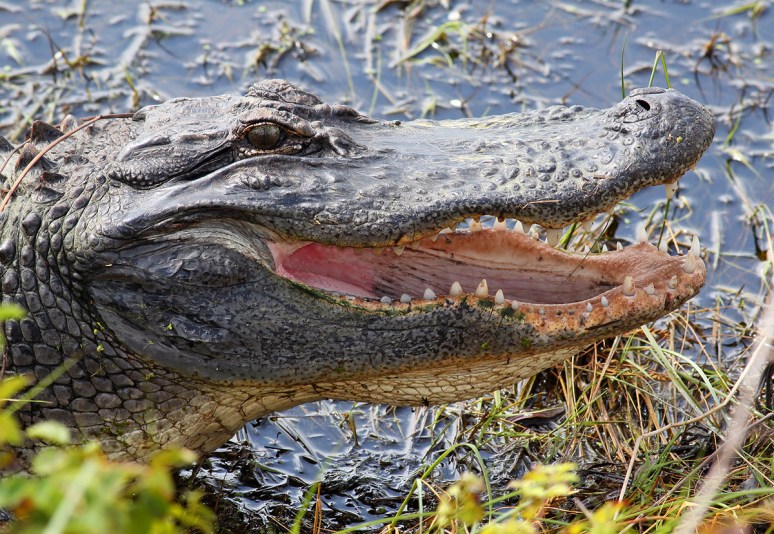
“Hey, How Ya Doin’ Pal? Great To See Ya!”
At least that’s what this alligator I saw at the edge of the marsh pond earlier this week *might* have been saying to me!
“Mind If I Drop In?”
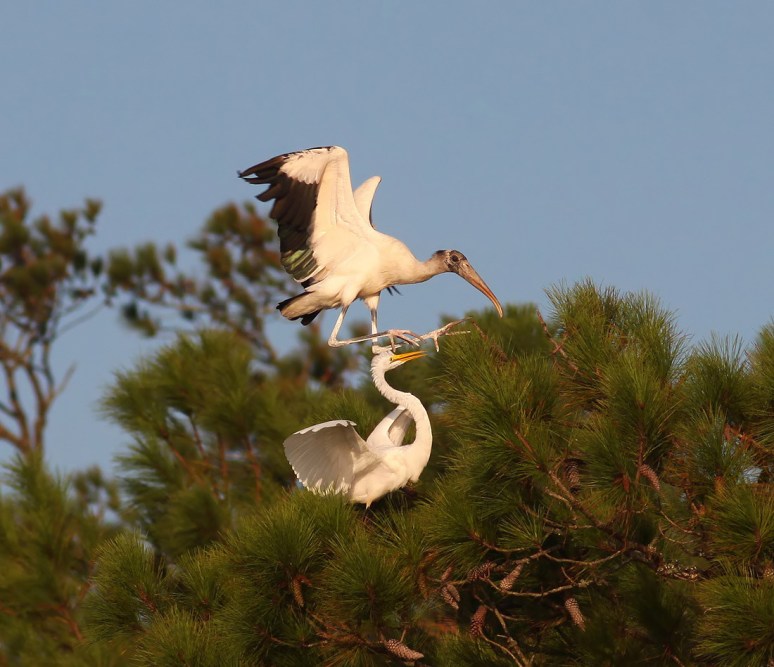
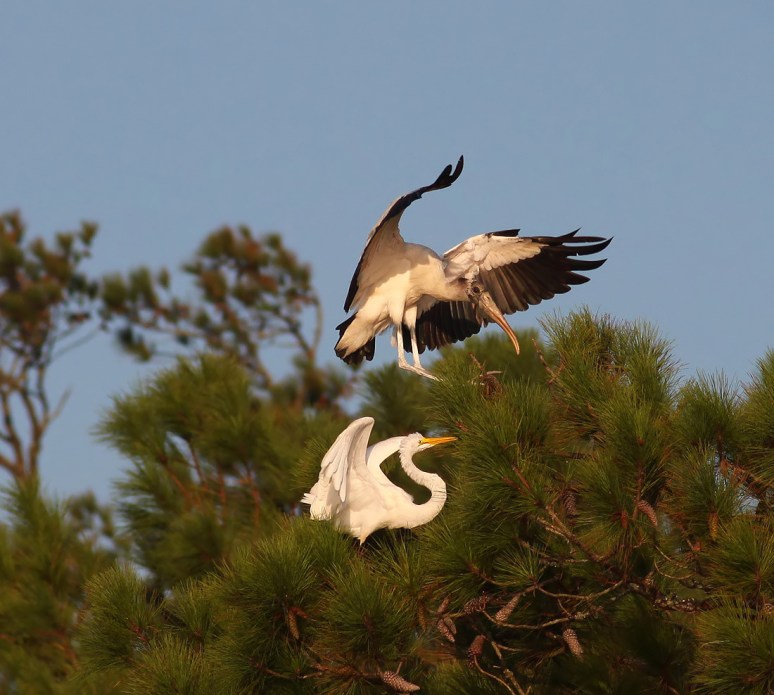
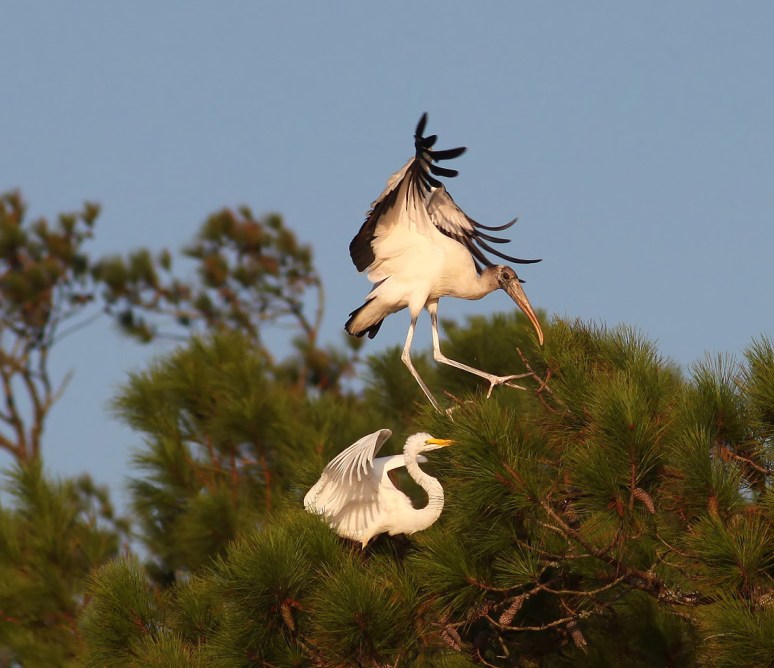
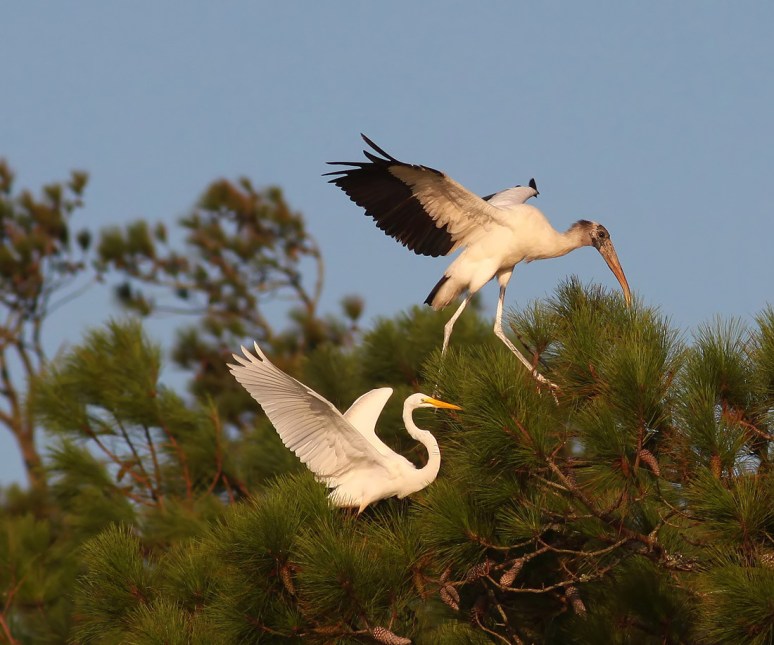
This past weekend we saw a few birds perched in a pine tree enjoying a pleasant evening.
Suddenly a wood stork decided to just drop in on an egret that had been sitting peacefully, and practically landed on the egret’s head!
The egret was clearly surprised by the unexpected arrival and apparently the wood stork did not pick out it’s landing area carefully as it seemed surprised to find this particular branch already occupied.
The wood stork danced around a bit trying to find a nice secure spot, while the egret who had no intention of leaving, simply waited for the stork to settle down.
The Last Of The Season…?
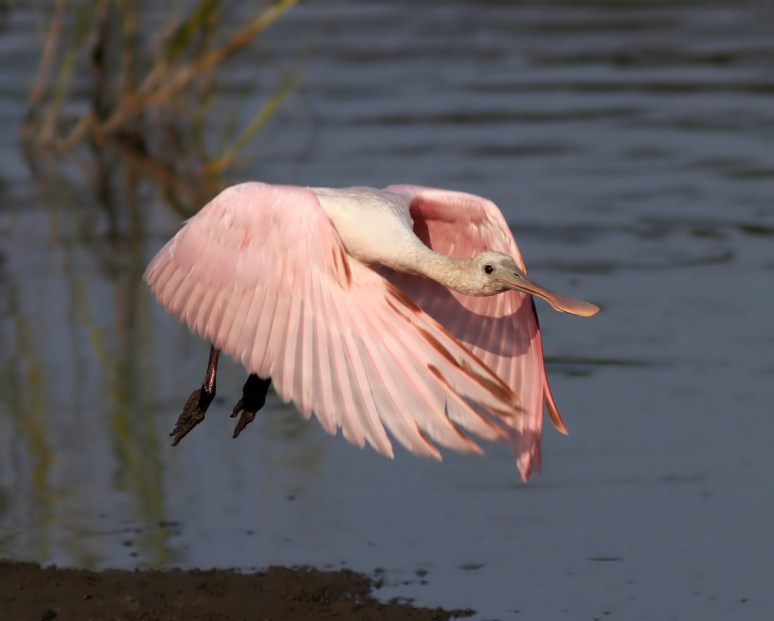
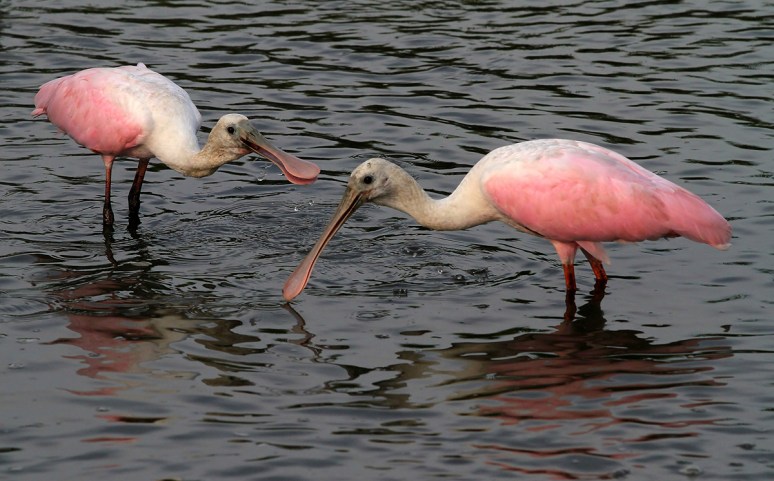
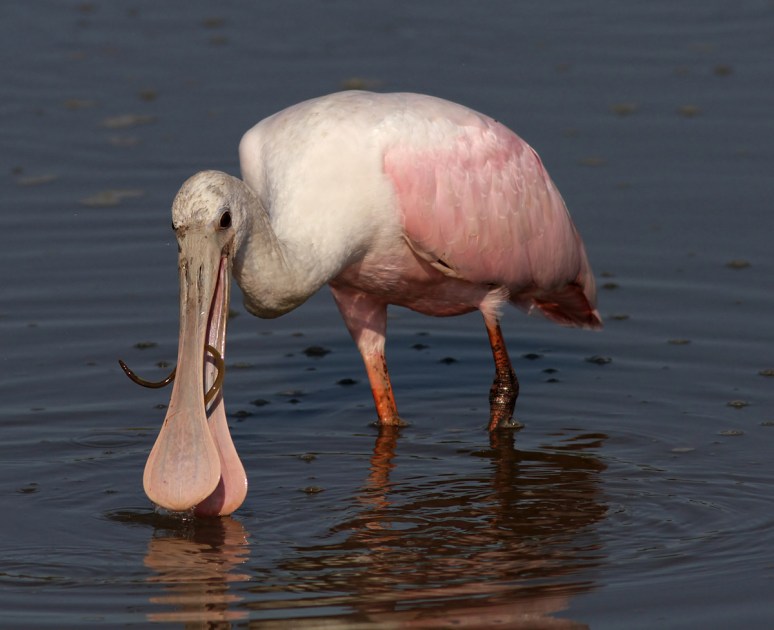
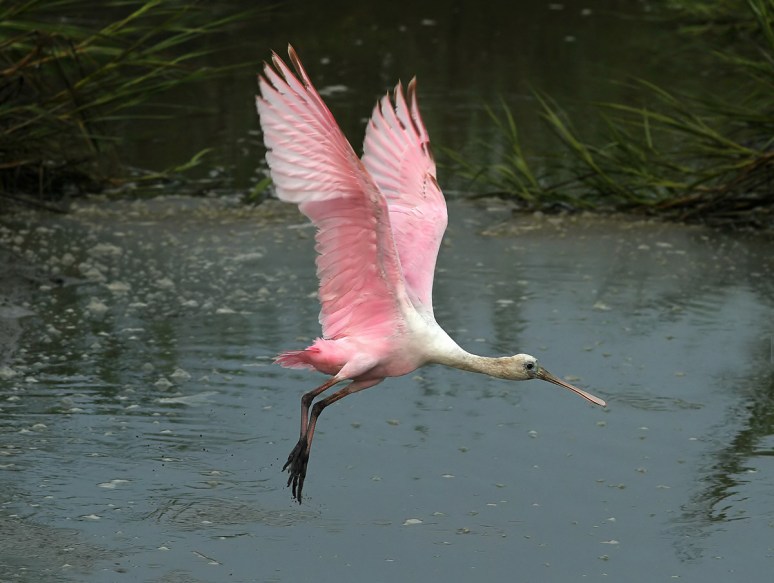
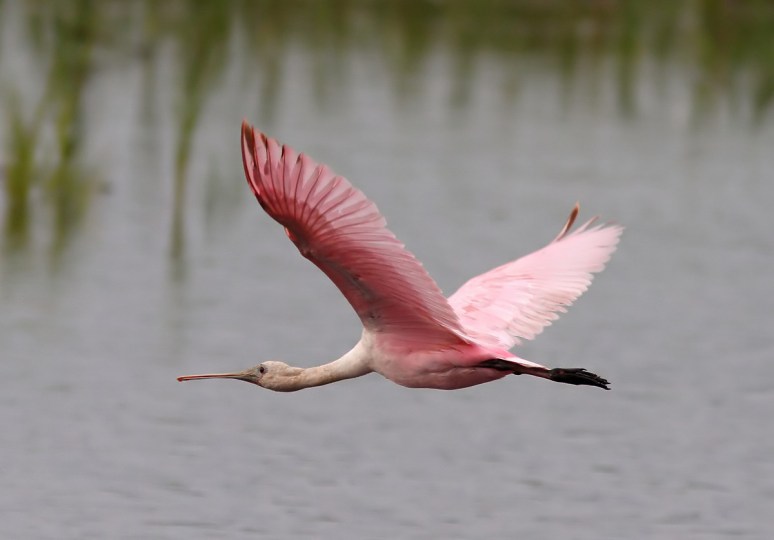
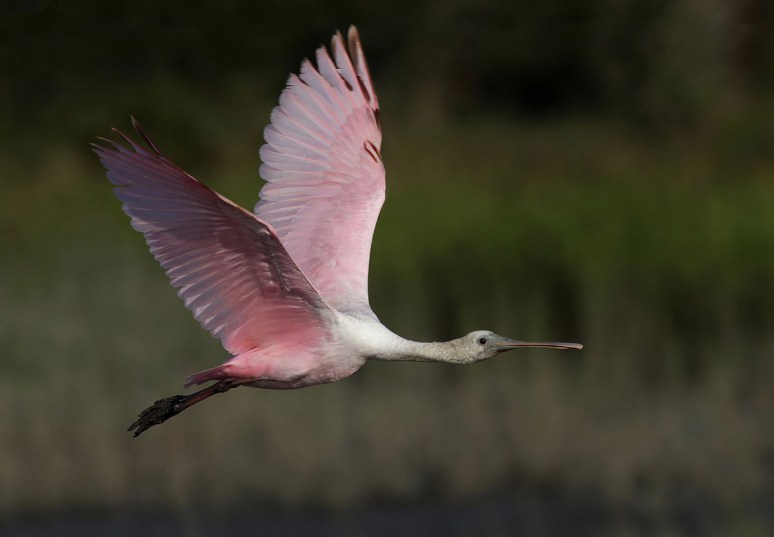
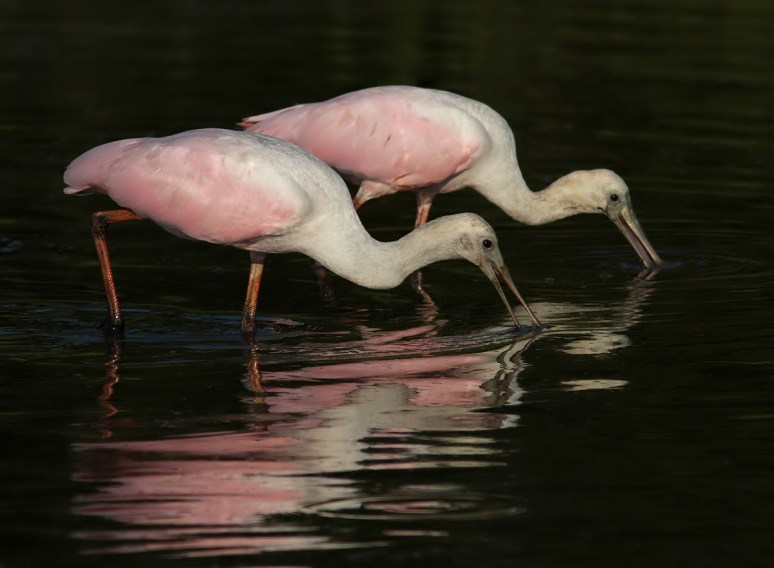
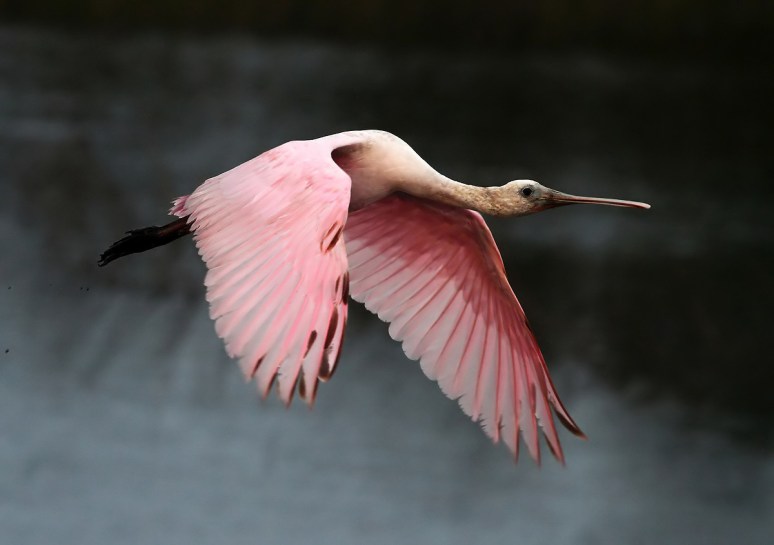
I thought it might be fun to post a few more photos from last week’s all too short appearance of a pair of Roseate Spoonbills!
These beautiful, unusual, and often entertaining birds are a rare treat for us so we try to capture as much of their visit as possible when the opportunity is present.
The pair stayed mostly together feeding in the salt marsh by sweeping their large spoon shaped bills rapidly through the water in search of food.
Small fish, shrimp and various marine crustaceans are on the menu as was an eel which we saw one of them pluck out and eat.
After considerable feeding, a bit of preening would take place then they would generally fly off to investigate a different area of the marsh.
We always attempt to get flight shots as the birds move about and often the last flight shot of the evening is the last we will see of the spoonie until (hopefully) next time!
 Phil Lanoue Photography