Phil Lanoue Photography
I previously worked as a news and sports photographer. Recently I have been enjoying wildlife photography. My approach toward bird photos is similar to sports photography. I attempt to capture mostly action and hopefully a unique perspective.
Recent Visitors
It’s been fairly quiet over at the marsh recently, but here are a few visitors that we have seen coming and going.
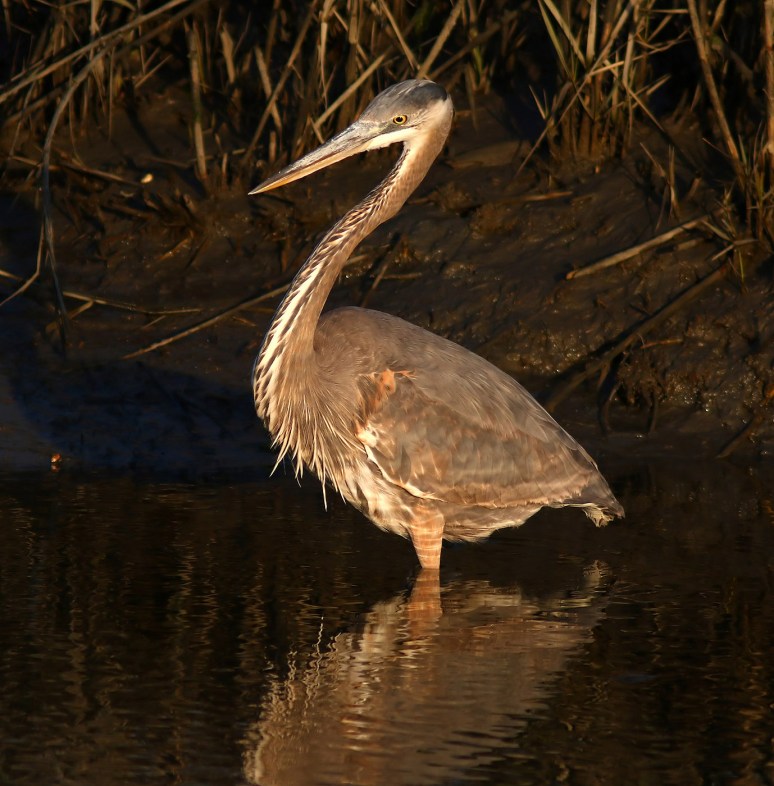
We had a great blue heron patiently waiting for a nice fish to swim into his hunting area.
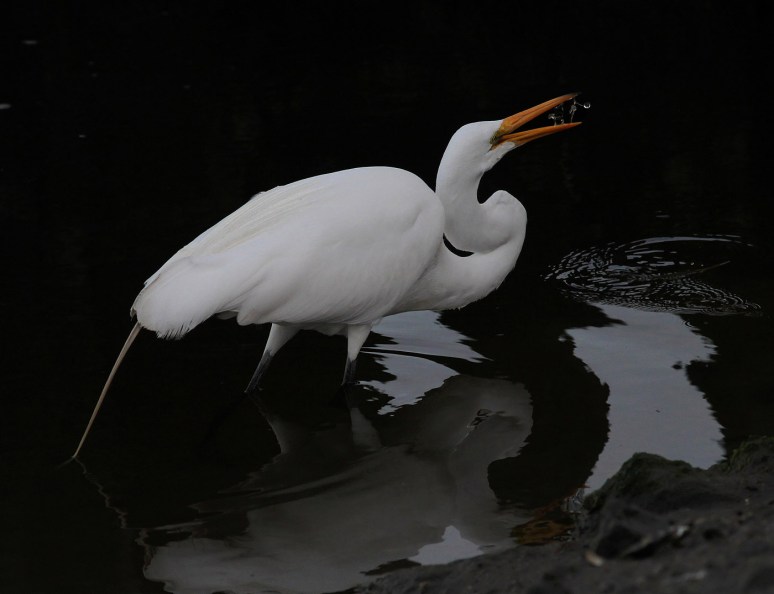
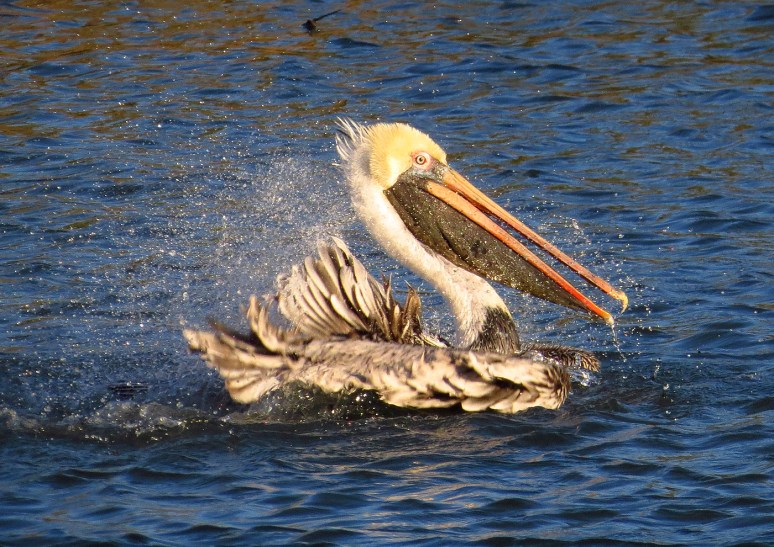
There was also an egret snacking on some glass shrimp right at the edge of the salt marsh, and an adult brown pelican bathing.
We are still waiting for our local bald eagle couple to begin feeding their baby(s) and that could provide some excitement.
Just A Bit Windy Out There Today
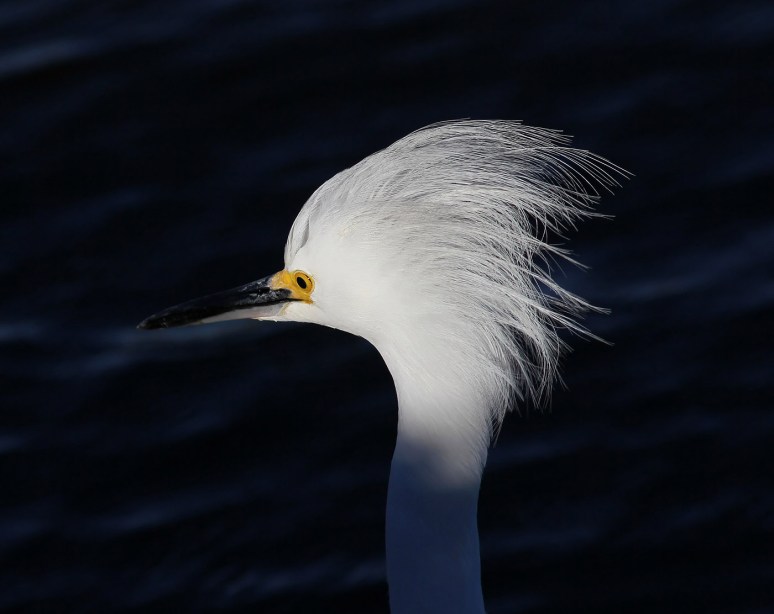
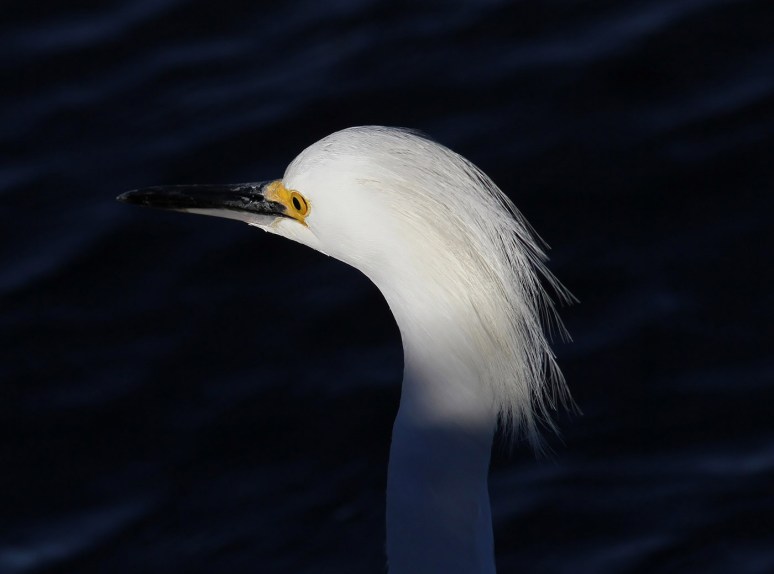
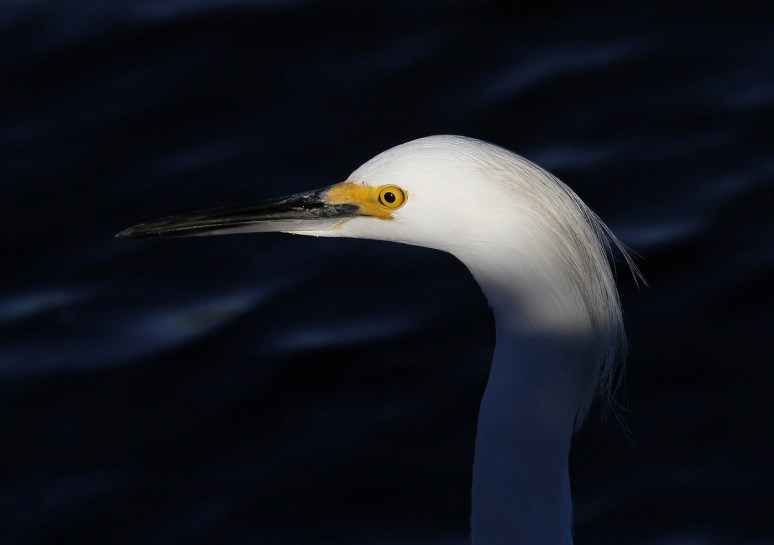
We had a nice steady breeze coming off the ocean along the salt marsh this afternoon, and this snowy egret seems to have caught a little back draft.
Of course snowys, being snowys, tend to be excitable even in calm conditions but either way this guy soon smoothed himself back down.
Surprise Pop Up
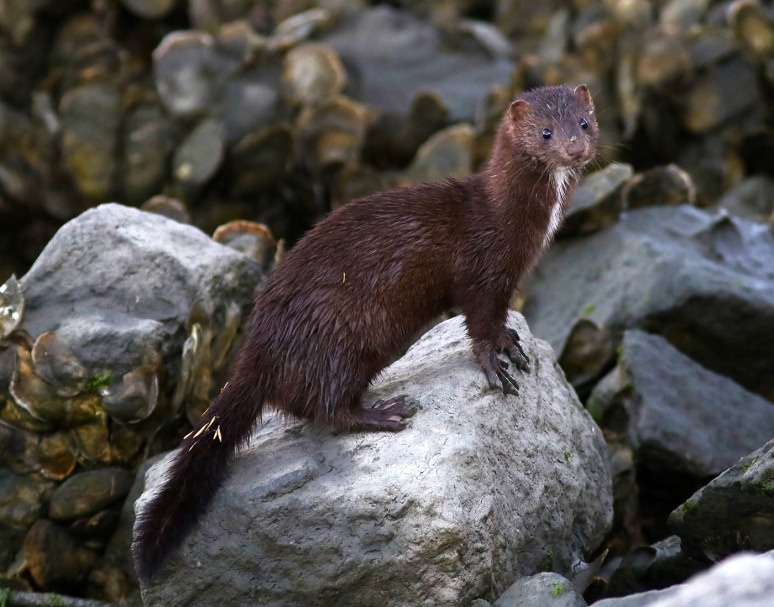
This afternoon we were pleasantly surprised when a cute little mink popped his head up along side the salt marsh.
He was very active scurrying around the rocks and oyster beds and at one point snatched a fish from one of his hiding spots and took off to stash it in a new secret location where the fish will be available for later dining.
Always a fun treat when the mink puts in a personal appearance!



Breakfast Treat
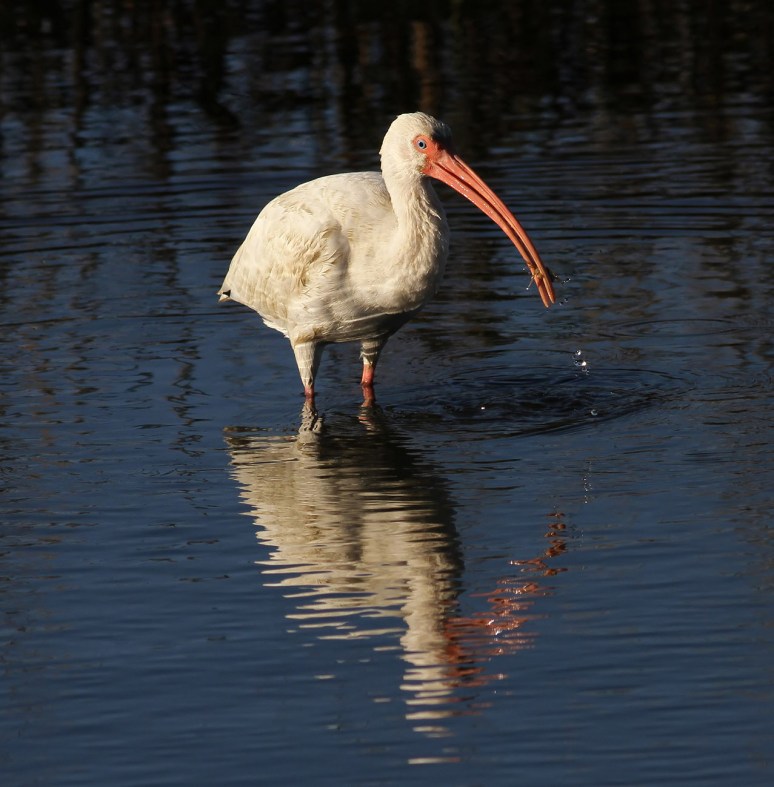
An ibis out feeding in the marsh this morning snatched himself out a nice tasty crab. It might be a small crab, but it still has that satisfying crunch the ibis love so much. 🙂


Showing The Kid Around
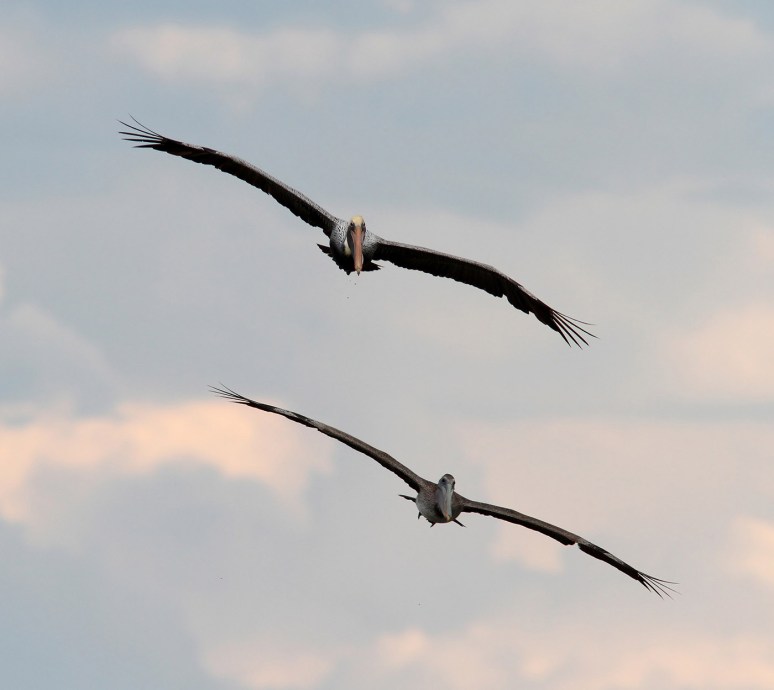
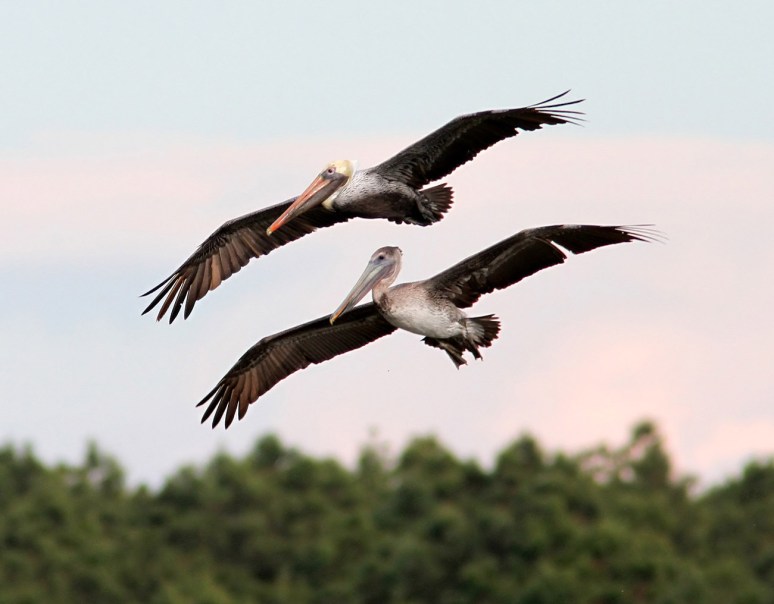
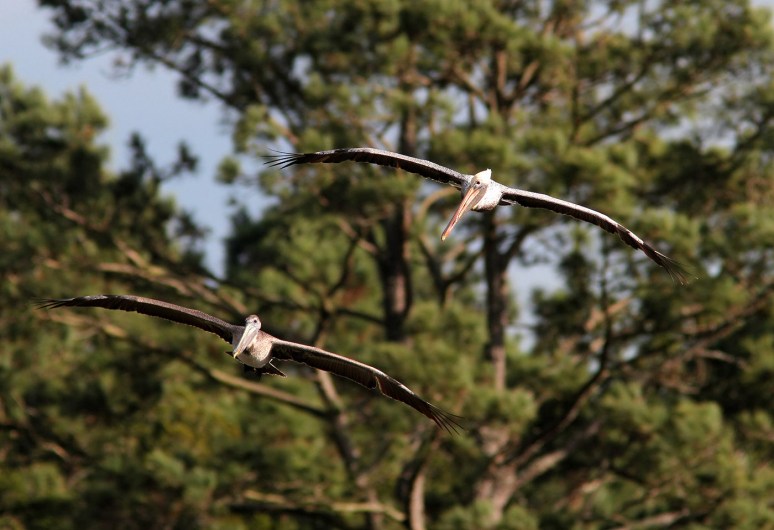
Recently, this pair of brown pelicans came swooping into the salt marsh area as if on a mission.
I could immediately tell it was an adult and a juvenile. Perhaps it was dad showing his boy around? 🙂
“Look down there son, that’s where we fish all the time.”
Bald Eagle Nest Renovations
Our local bald eagle pair is once again in nesting condition and we expect eggs followed by baby eaglets later in the winter.
But for now, the nest has to be made ready for the new arrivals and that means more nest building materials needs to be gathered and added.
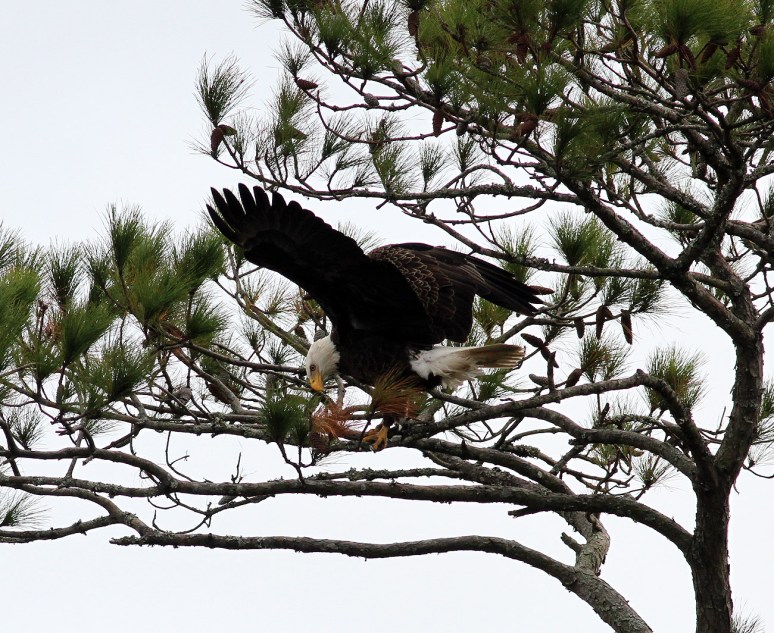
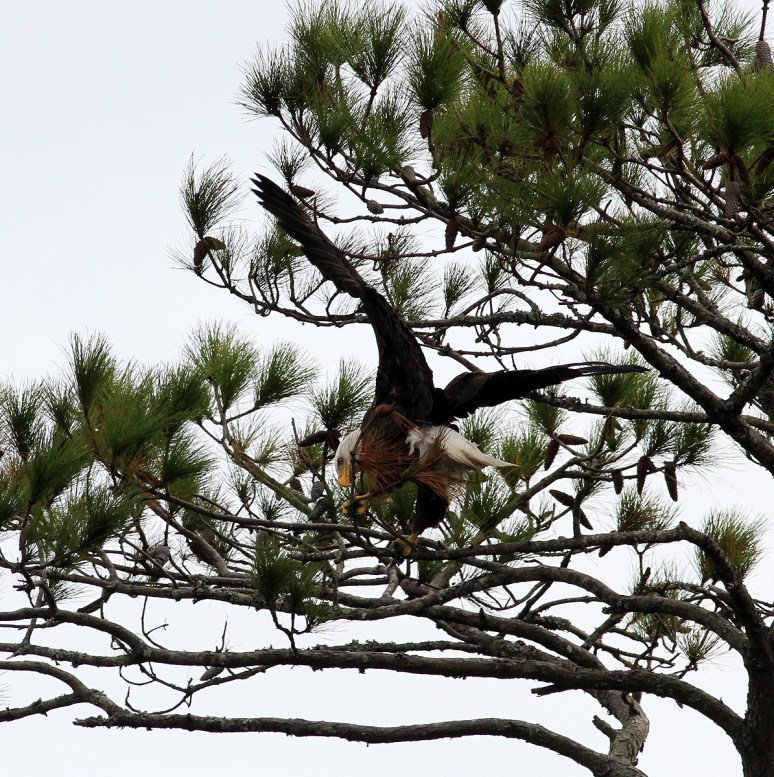
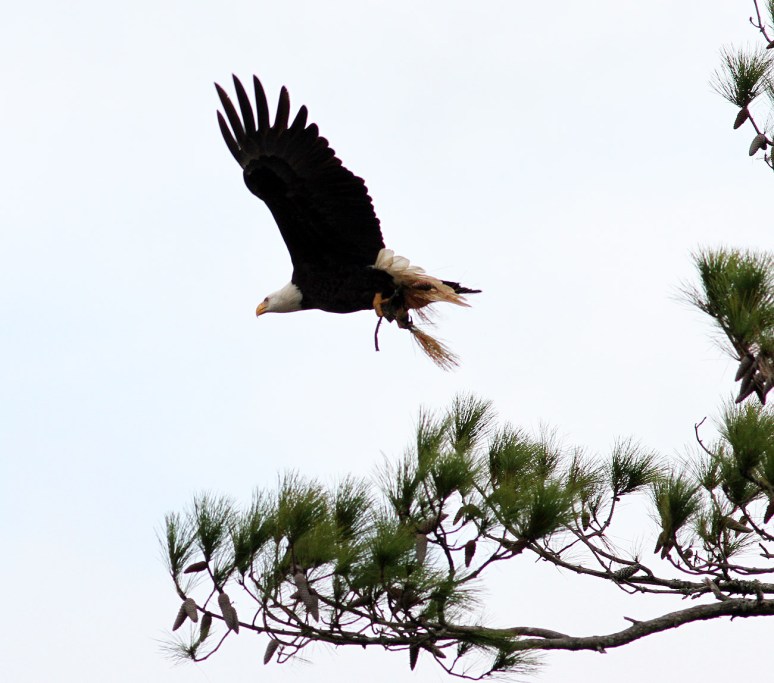
This morning one of the eagles was sitting in his usual pine tree along side the salt marsh. He had been there for a while when he suddenly began to take interest in one small dead portion of tree branch.
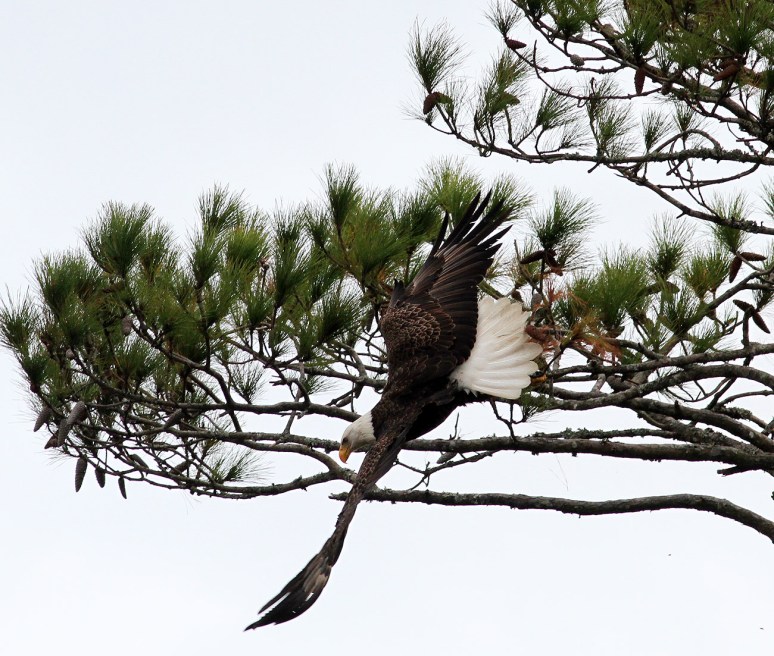
He first started trying to snap the branch with his feet, but when that didn’t work he did something none of us had ever seen before. With the dead branch firmly grasped in one talon, he threw himself off the tree to the left presumably expecting the small piece of dead pine to come with him.
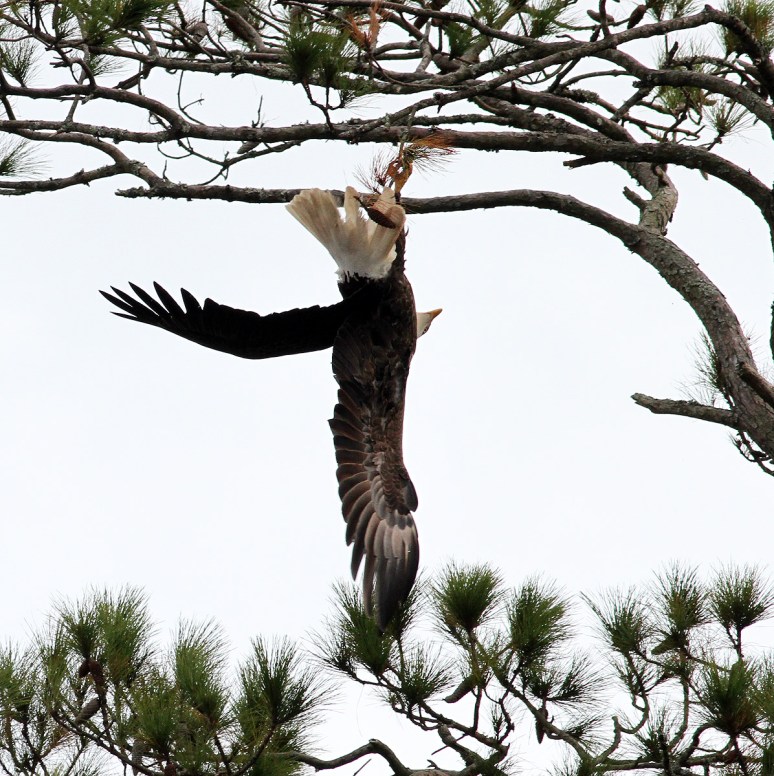
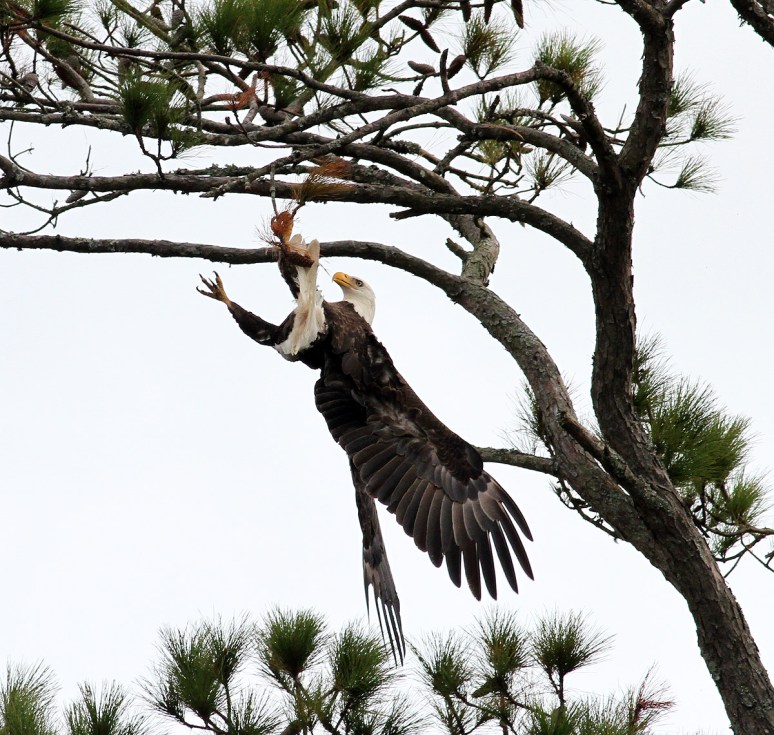
But when that didn’t happen, the eagle quickly found himself dangling from the tree by one foot, still holding tightly to the dead branch that he obviously wanted badly.
Finally, the branch snapped and gave way and the eagle was able to fly out across the marsh with a new section of nest material. I’m not sure if the new parent will feel it was worth all that effort, but I’m sure they will find a nice spot for it somewhere in the nest.



Merry Christmas!
Merry Christmas from the marsh and best wishes for a healthy and happy New Year!

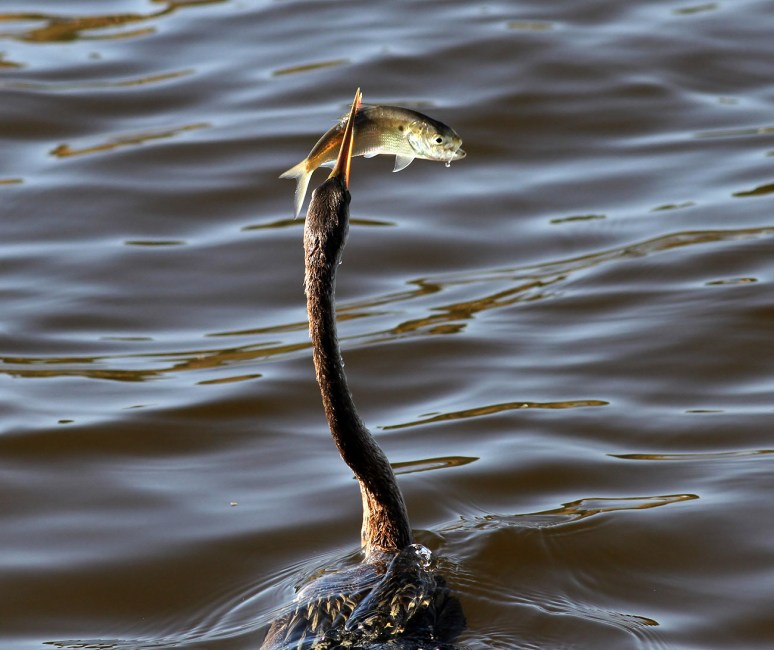
Morning Spear Fishing
An anhinga grabbed a quick breakfast to go this morning over at the marsh pond…Yummy!
 Phil Lanoue Photography