Phil Lanoue Photography
I previously worked as a news and sports photographer. Recently I have been enjoying wildlife photography. My approach toward bird photos is similar to sports photography. I attempt to capture mostly action and hopefully a unique perspective.
“Radar”
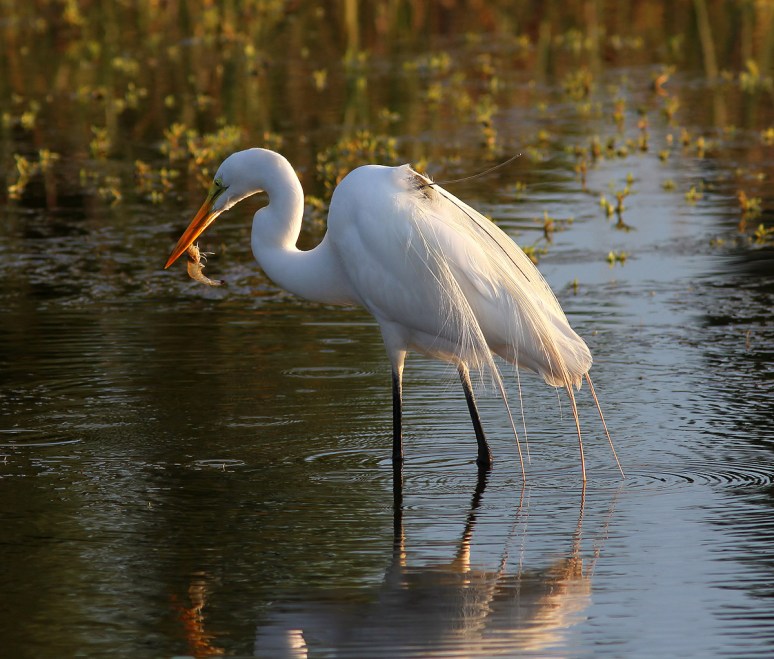
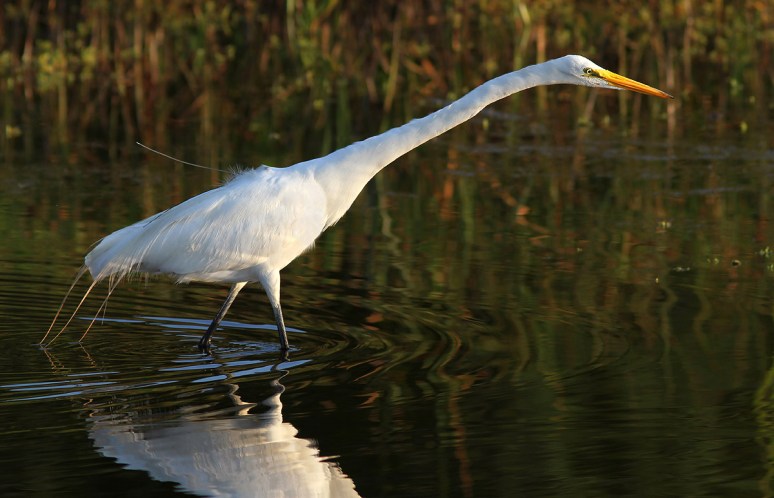
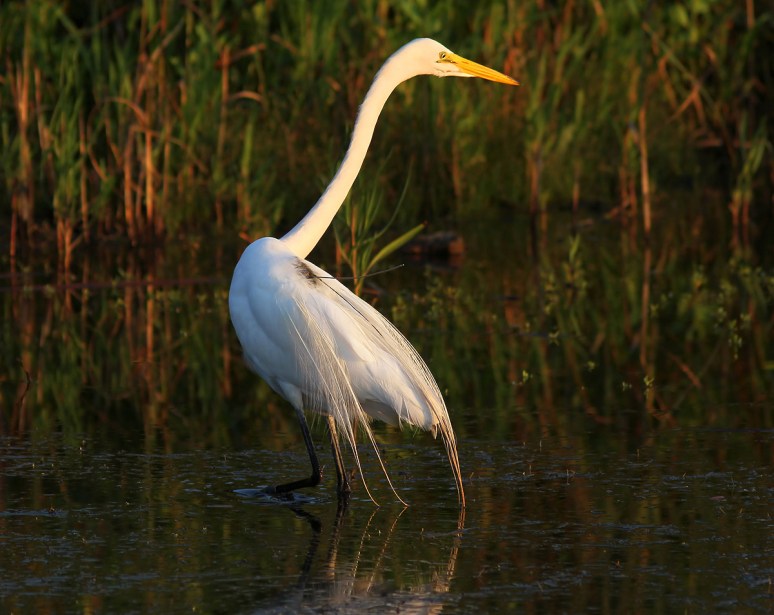
This is a Great Egret we affectionately refer to as “Radar”. Radar has a transmitter pack with two antennas attached to his back which was put there as part of a study on the migratory habits of wading birds.
Radar is undaunted by his electronics. In fact, he acts like head egret of the marsh, constantly chasing and challenging other birds over fishing territory.
Here, Radar comes up with a freshly caught shrimp for dinner while patrolling the marsh pond.

Lurking
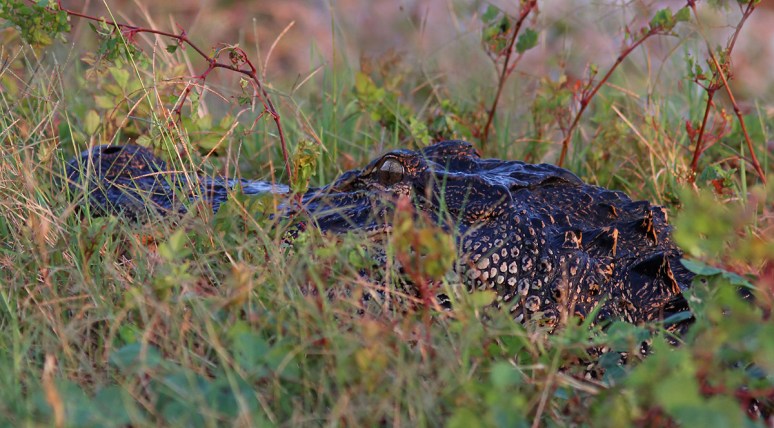
You have to keep your eyes open when walking around the edge of the marsh…As we discovered the other night, you never know what you might find hidden down among the weeds!
Fish For Breakfast
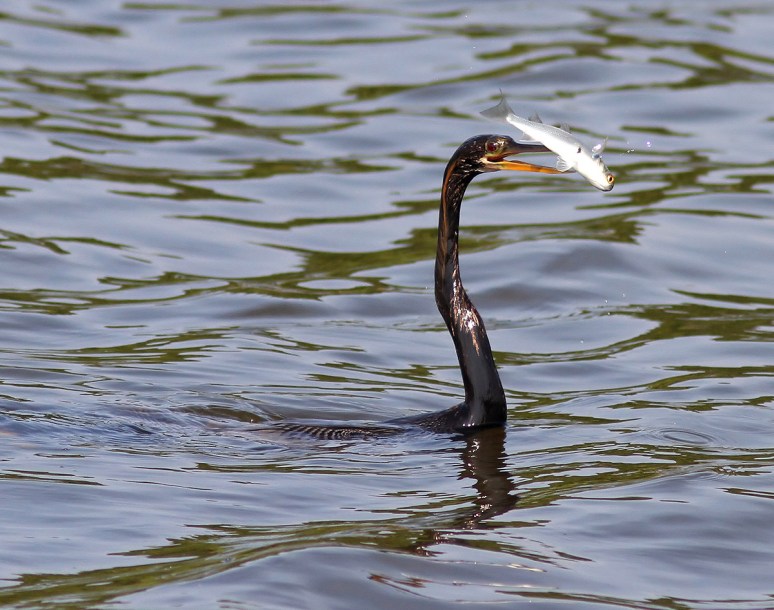
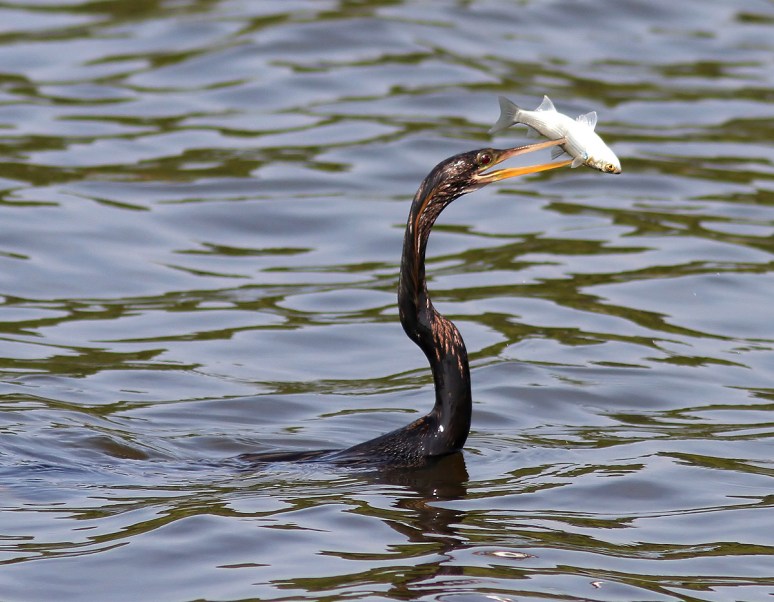
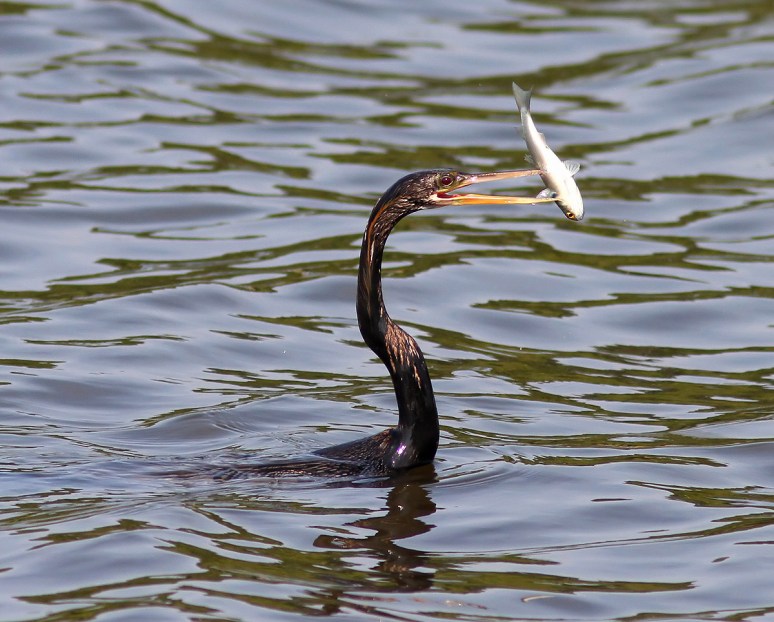
Yesterday we were watching this anhinga fishing for his morning meal in the marsh pond.
The anhinga is a water bird that fishes by swimming underwater and spearing a fish on the end of it’s very sharp bill.
It then surfaces with the fish now stuck on it’s bill. The anhinga will shake and flip the fish to get it off it’s bill in order to swallow the fish head first.
This amazing bird is extremely skilled at aquiring it’s prey and can be very interesting and entertaining to observe.
Can’t A Guy Get A Little Peace And Quiet Around Here?!?!
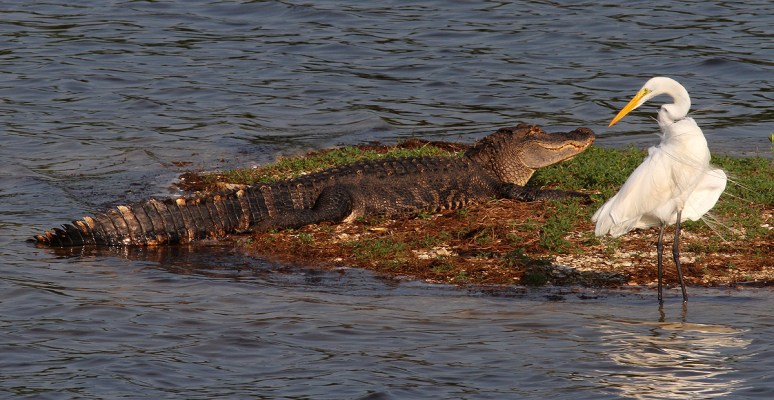
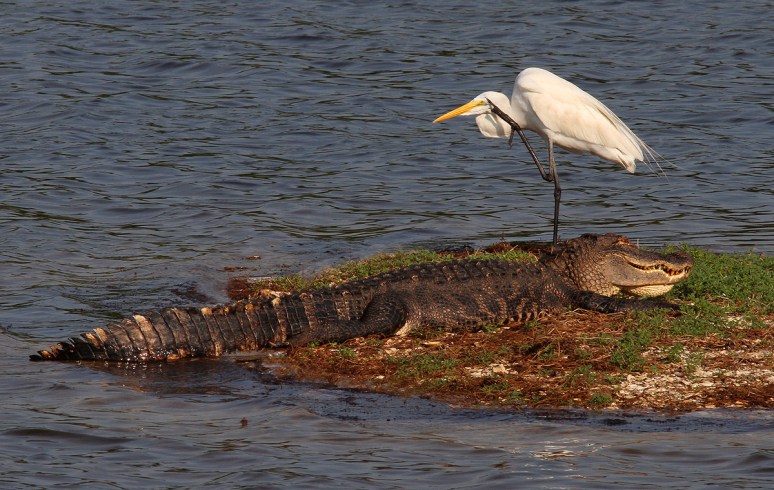
This morning we saw an alligator enjoying a nice nap in the sun. But his peaceful rest was rudely interrupted by the arrival of an egret. The egret landed and stared at the gator for a bit, then the bird walked around to the other side and started scratching and preening which was keeping the gator awake. Finally the egret leaves and the gator goes back to his nap. But in no time at all an anhinga shows up. The anhinga was drying off his wings and flapping them all around which once again woke up the now irritated alligator. Well, that was it, the gator had enough. Realizing no peace was going to be found here, he storms off in disgust leaving the anhinga alone to enjoy the sunny morning.


Muddy Ibis
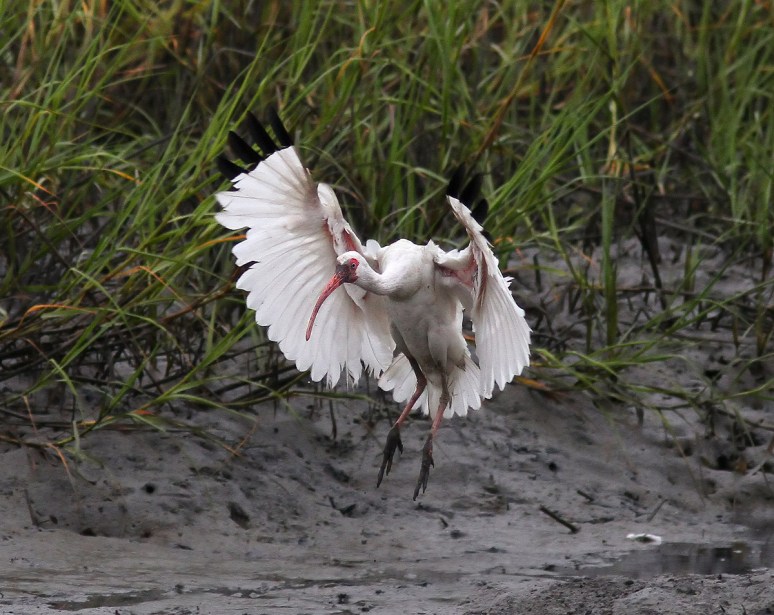
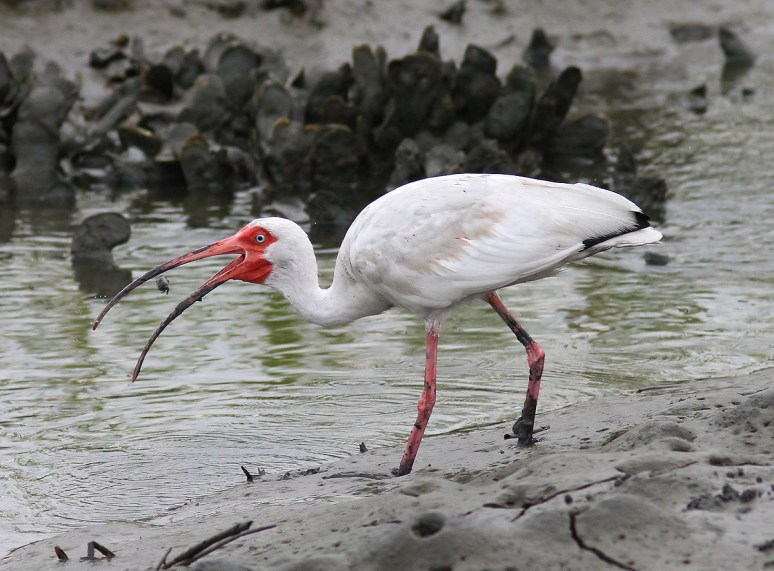
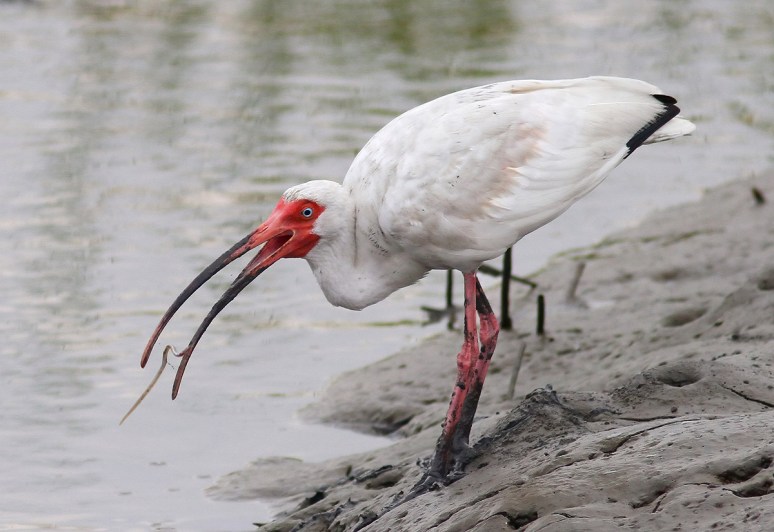
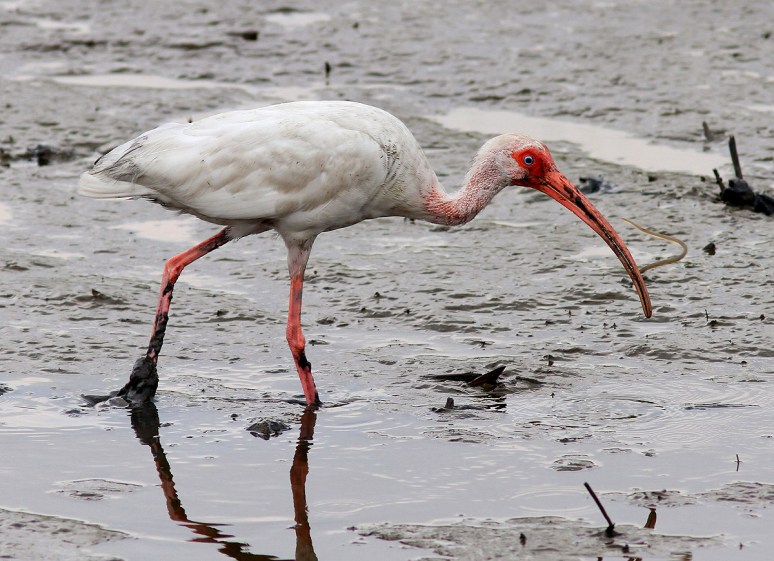
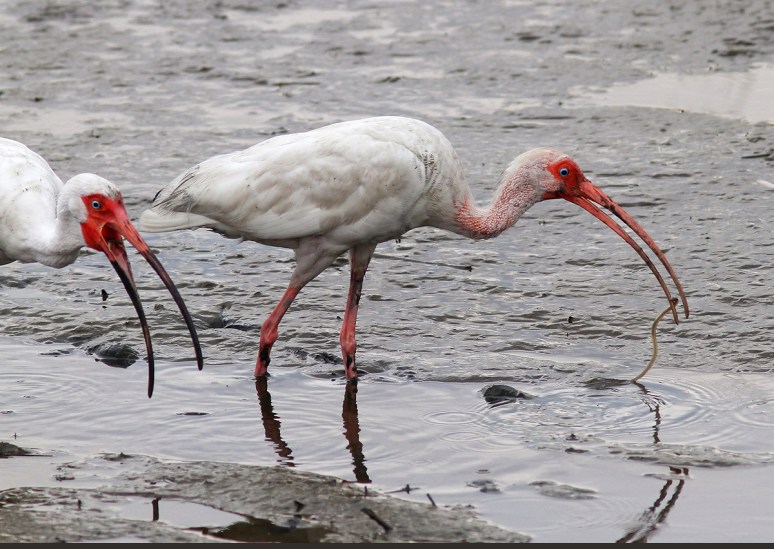
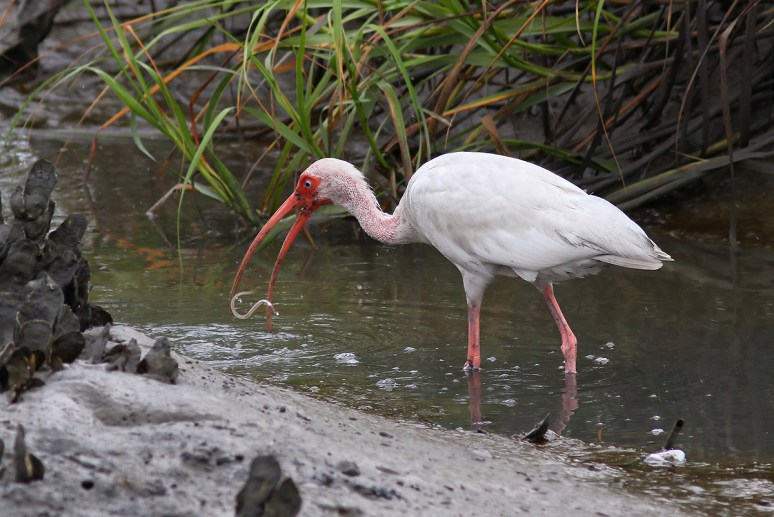
This morning we watched as several White Ibis landed in the salt marsh among the oyster beds at low tide and began feeding. The ibis use their long curved bills to poke around in the marsh mud in search of their favorite foods. This results in them getting very muddy faces and feet, which helps earn them the nickname Muddy Ibis. On today’s menu were the typical small crustaceans but they were also observed picking out lots of tiny eels.

Sunset On The Marsh
A Great Blue Heron is silhouetted by warm sunset light in the marsh yesterday evening.

Little Blue Heron Transition
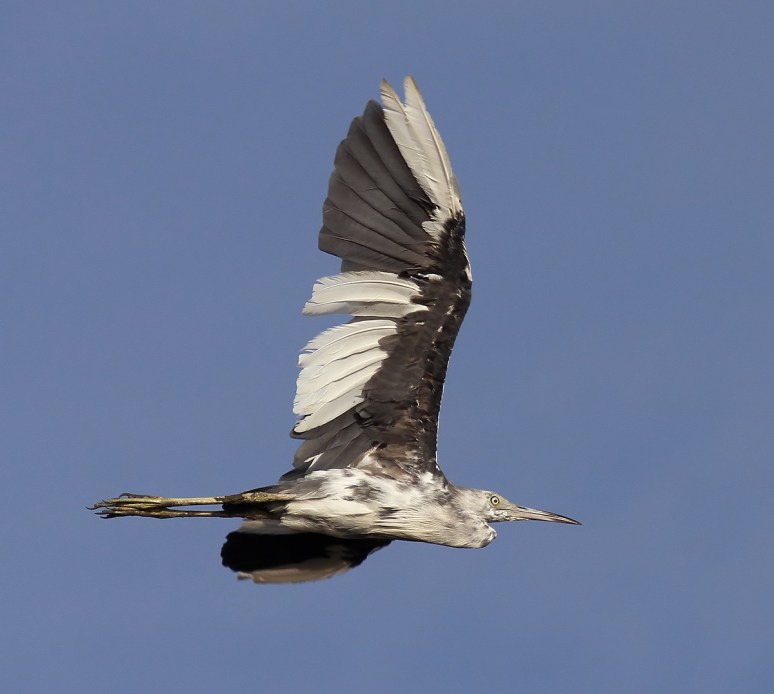
Yesterday evening I saw several little blue herons flying overhead on their way to roost.
The first photo shows the bird in what I like to call it’s “tweener” phase. It is somewhere in the middle of transitioning from being an all white juvenile to a blue and maroon adult.
I feel this in-between period of a patchwork of blue and white, is a very interesting and attractive phase of the little blue’s life.
The second photo also taken last night, shows the adult little blue heron in it’s mostly all blue with maroon neck coloration.

Sometimes You Chase…Sometimes You Get Chased!
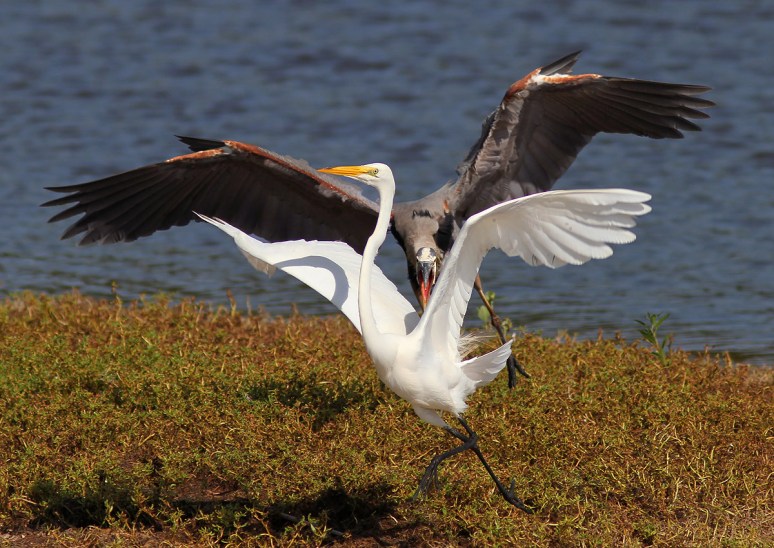
Great Blue Herons will often chase Egrets away in what is generally a dominant territorial dispute. The Great Blue Heron is a formidable bird that few others in the marsh will challenge.
However, occasionally even the Great Blue can be intimidated and in this case by a smaller bird, the Anhinga. The Anhinga has a spear point sharp bill and the Great Blue while possessing a dangerous bill itself, is wise in this case by leaving the area to avoid angering the Anhinga further.


 Phil Lanoue Photography