Phil Lanoue Photography
I previously worked as a news and sports photographer. Recently I have been enjoying wildlife photography. My approach toward bird photos is similar to sports photography. I attempt to capture mostly action and hopefully a unique perspective.
“I Got One!…No I Don’t…Yes I Do!”
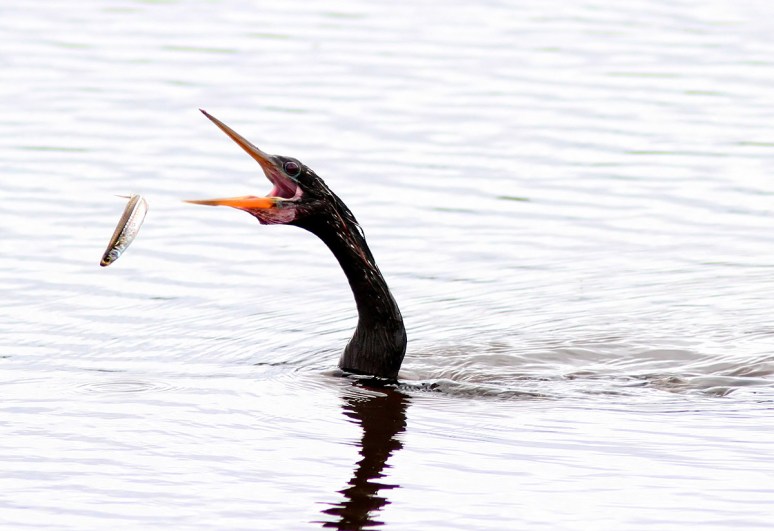
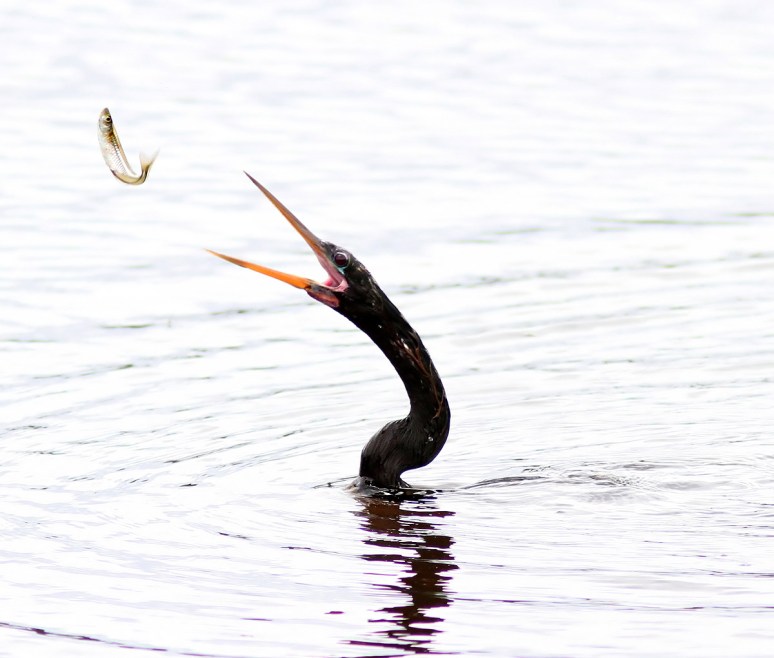
Yesterday afternoon we were watching this anhinga fishing in the marsh pond. The anhinga is a water bird that fishes under water by spearing the fish on the end of it’s sharp bill. It then must get the fish off of it’s bill in order to swallow it. So the anhinga will flip the fish into the air, then catch it head first for easy swallowing.
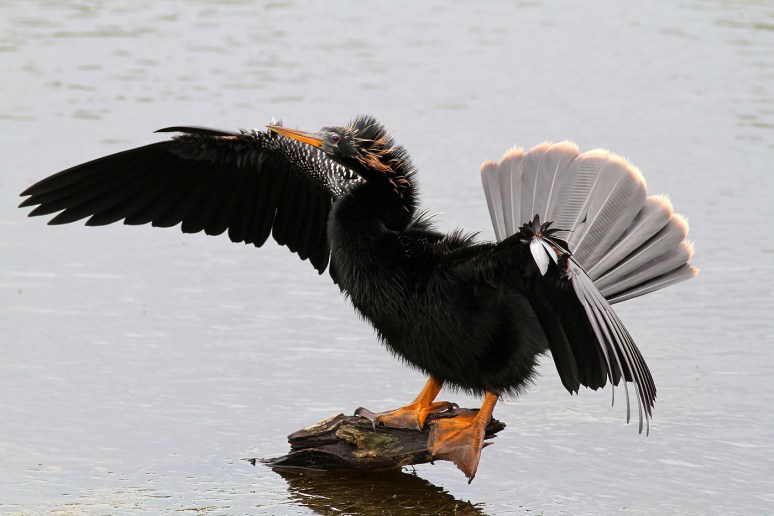
This anhinga had caught a fish…then lost it on the initial flip…then re-caught the fish, and was successful on the second attempt at the mid air fish flip! After it was done fishing it hopped out of the water onto a nearby stump to dry off. These birds will hold out their wings to let the air and the sun dry them off. It may be surprising that a water bird is not water proof, but the anhinga, like the cormorant is not. This however allows it to easily swim under the water and stay down for quite a while as it searches for fish.




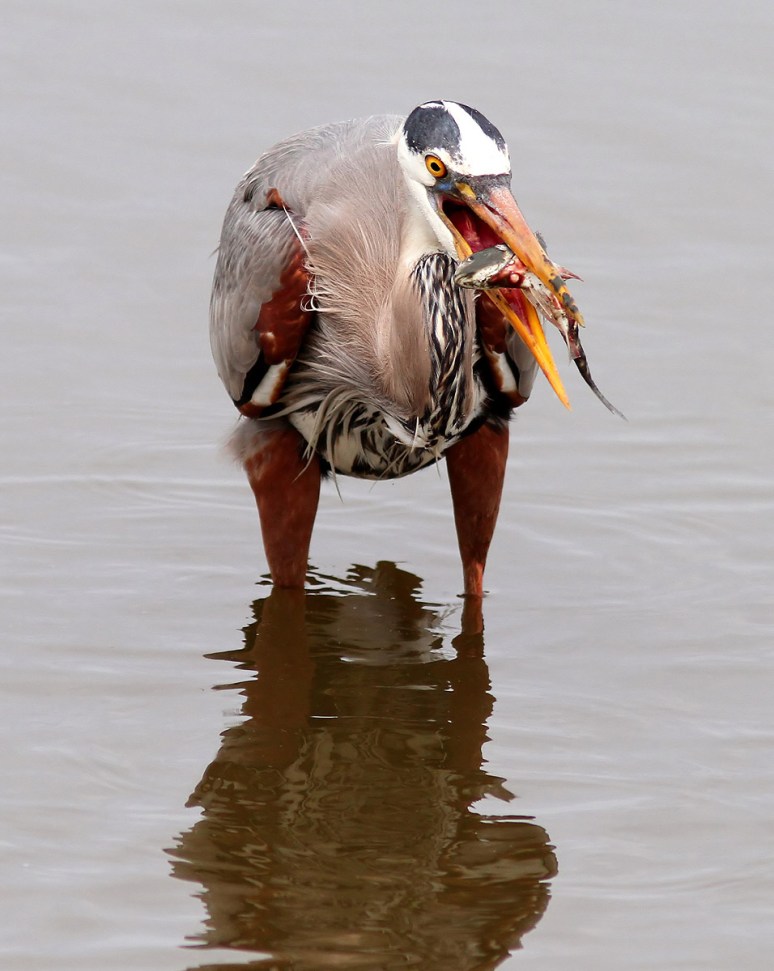
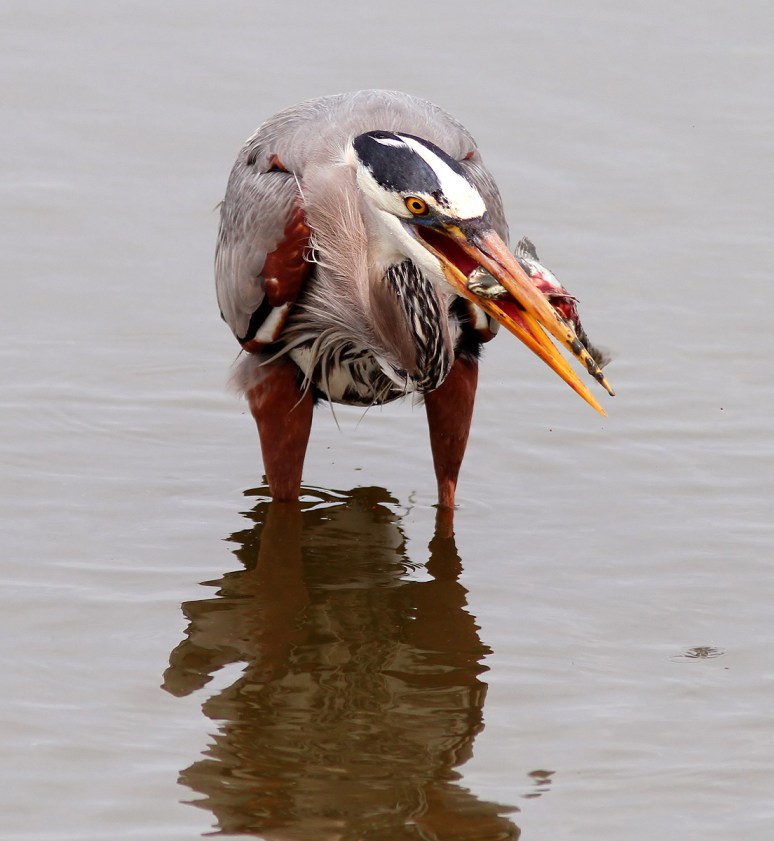
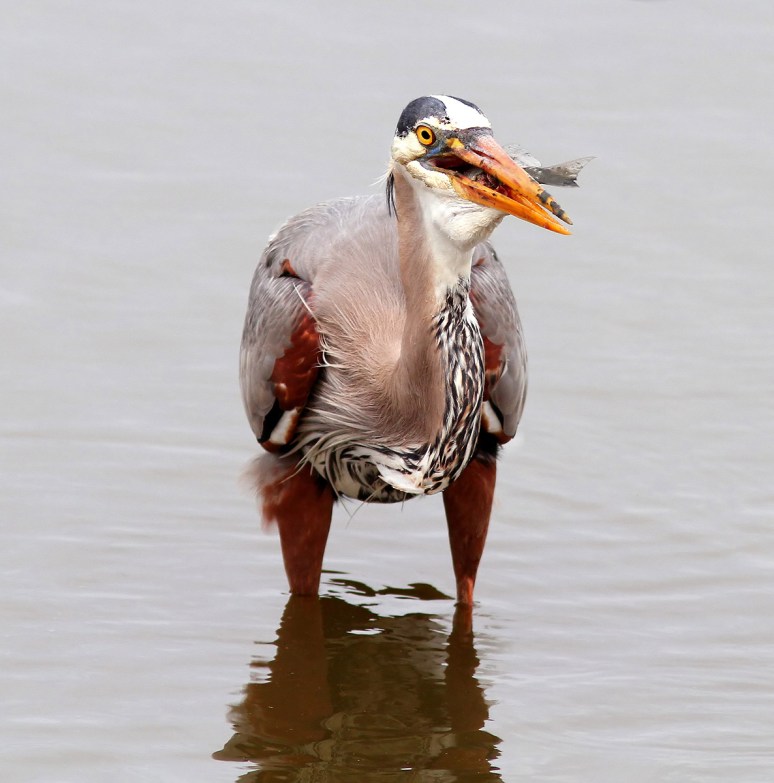
A Little Mud Never Hurt Anybody!
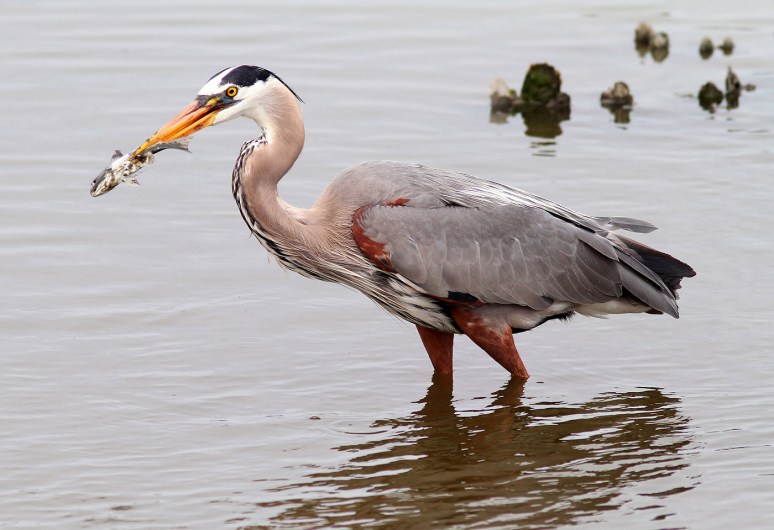
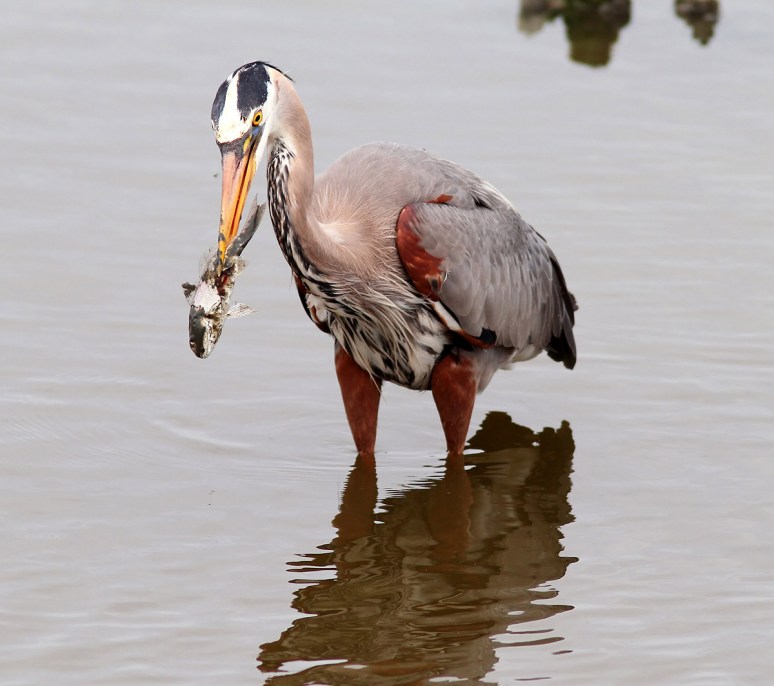
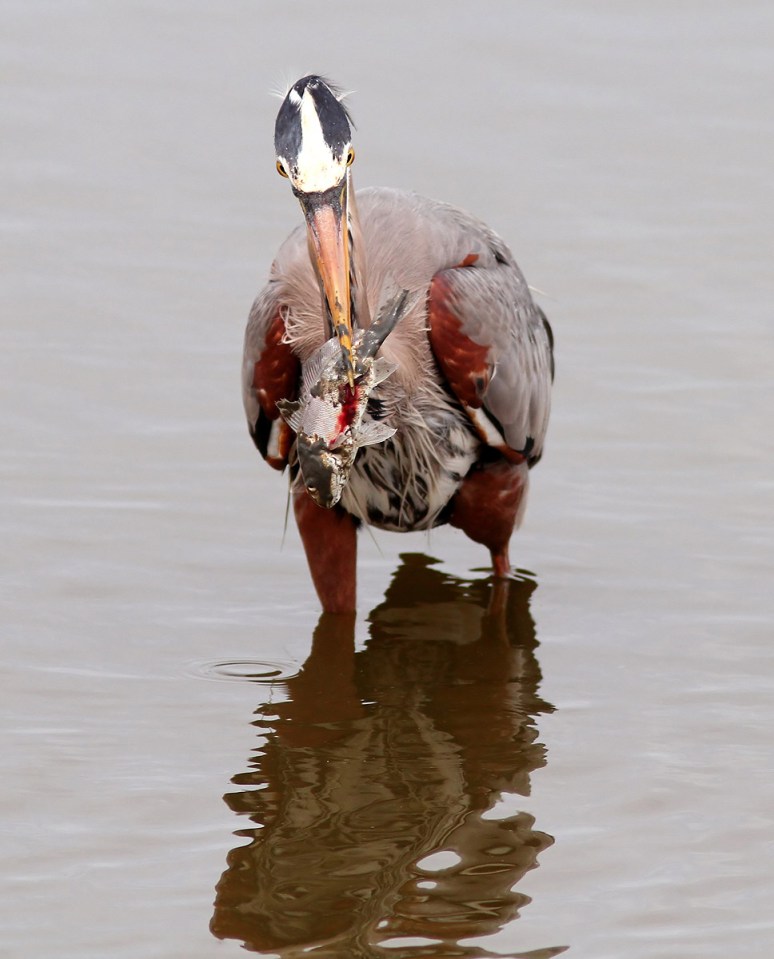
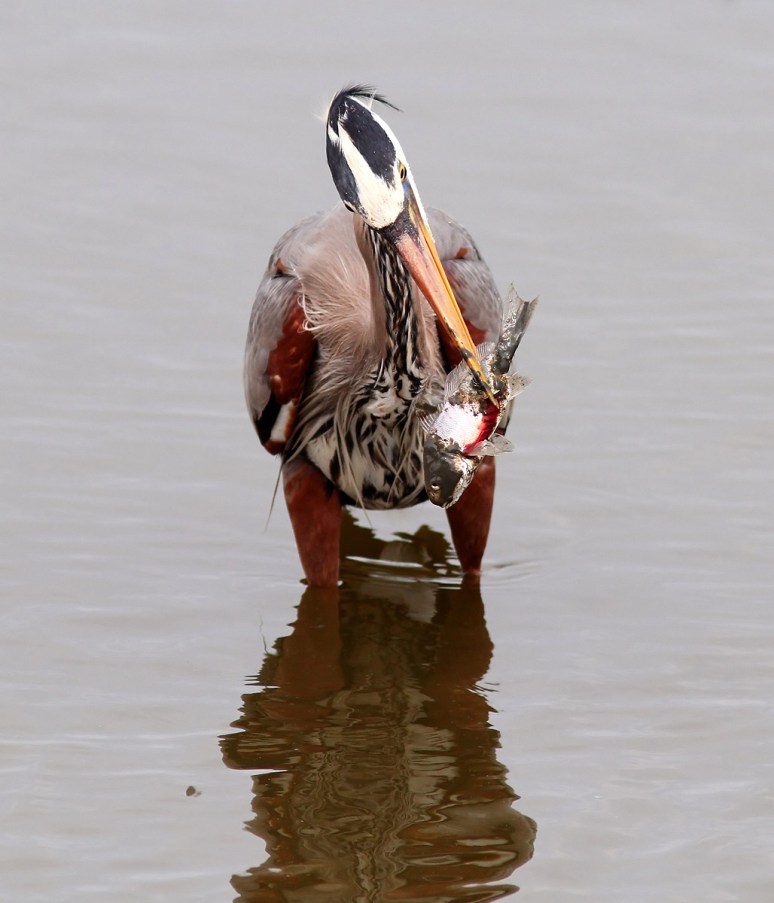
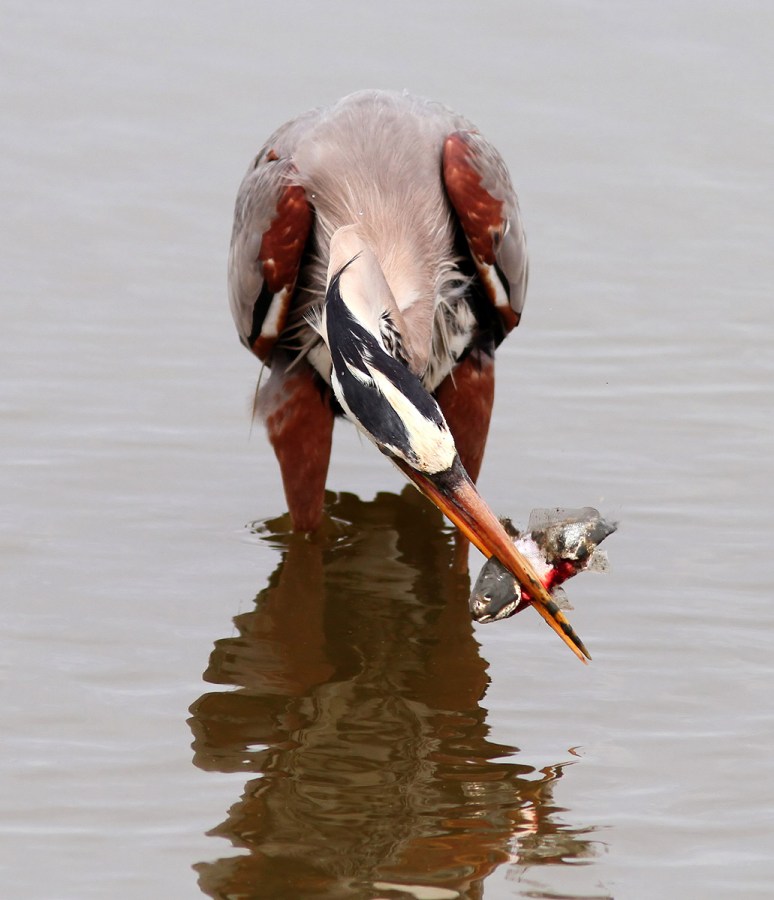
Last week I was watching this great blue heron fishing in the salt marsh among the oyster beds when it suddenly struck hard at the water. It came up with a speared fish and the heron must’ve really pushed the fish down hard into the floor of the marsh when it struck because the fish, along with a good sized gash, had quite a bit of mud on it. Usually the great blues will rinse the mud off of a fresh caught fish before swallowing it…we have seen that many times. But this one must have been particularly hungry because he quickly knocked back the fish, mud and all!
Shrimp To Go
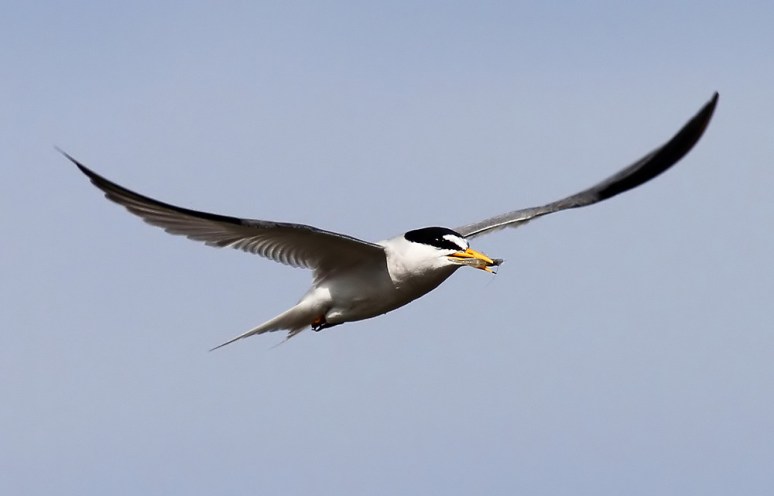
Last week I was watching a few Least Terns fishing in the salt marsh when this one suddenly zipped by me. I thought it might have been carrying something but wasn’t sure, and these small birds fly so fast just getting any flight shot is a challenge. Plus if one was to pluck a tiny fish out of the water, normally they snap it down immediately so it would be unusual for one to be flying around with something. It wasn’t until I looked at the photo later that I realized this tern had a shrimp. Maybe the bird was flying over to present the shrimp to a prospective mate to impress her with his hunting skills!
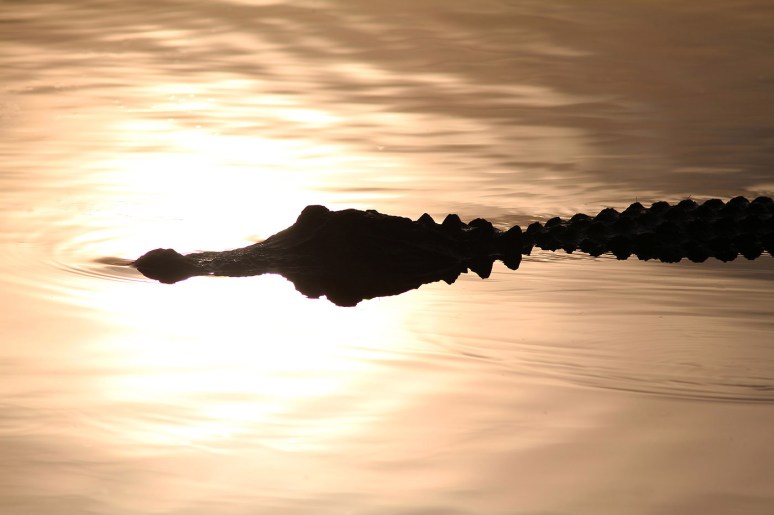
Alligator at Sunset
This alligator came floating into the marsh pond last week silhouetted by the setting sunlight.
Always Squawking
It seems that the great blue heron often feels it must announce it’s comings and goings along the marsh area by squawking loudly at every opportunity. We almost always know when a blue heron is up to something or moving to a new location because the sound they make is loud and unmistakable, and you can often hear one before you see it. I can understand those times when there are other birds around, but these herons even when alone will squawk just to hear themselves speak I think!


April Flights
Well it’s that time of the month again. In keeping with the tradition I started a while back to present some various flight shots for the month that had not otherwise been posted here are some April flights!
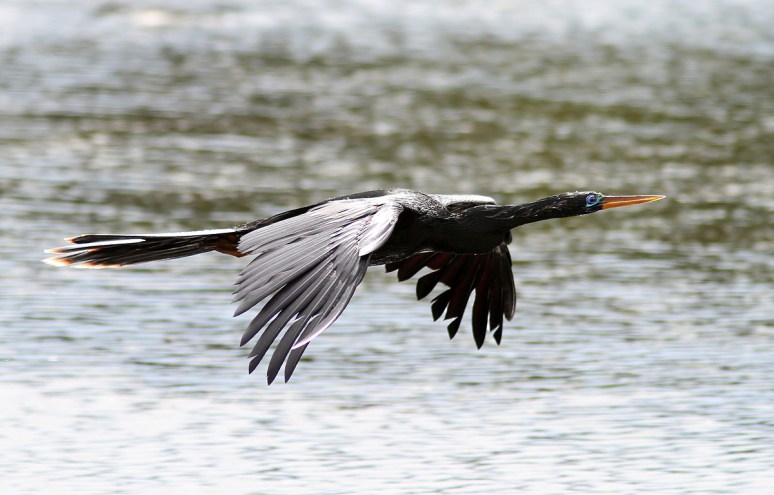
Anhinga

Bald Eagle

Great Blue Heron

Great Egret
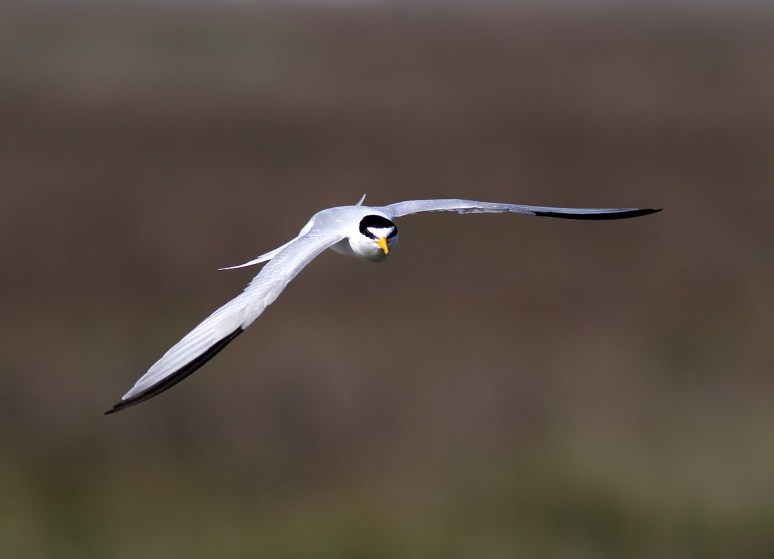
Least Tern
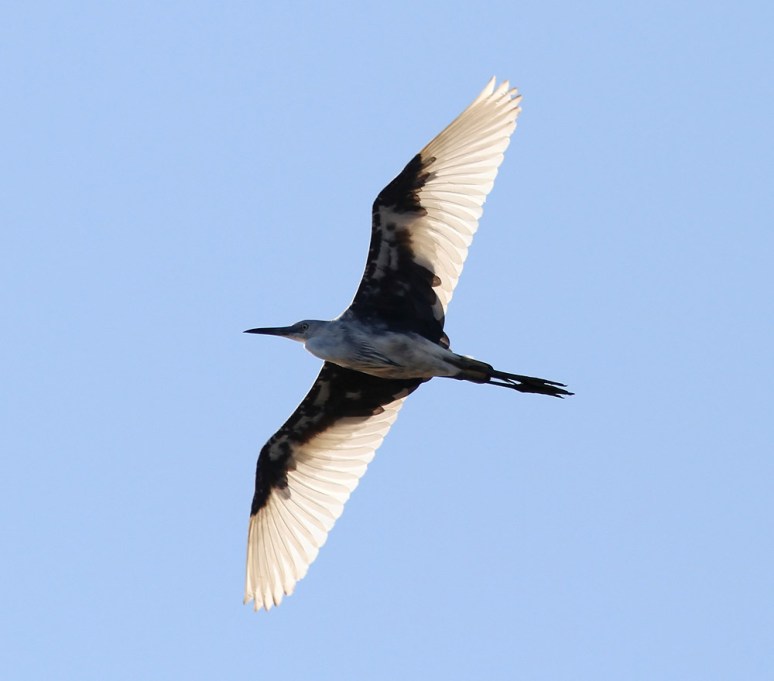
Little Blue Heron “Tweener”
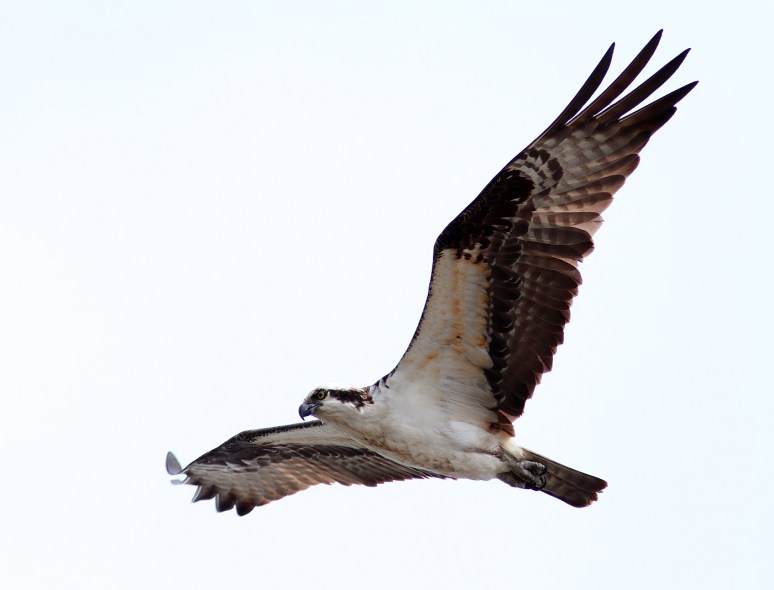
Osprey

Tricolored Heron
“And In This Corner…”
In between rain showers this afternoon I decided to head over to the marsh and see if anything was going on. As soon as I arrived I noticed these two alligators that clearly had issues with each other. I don’t know what set it off originally but they were involved in a major dispute over something, more then likely territory. As mating season approaches and emotions start to run high, arguments and disagreements are bound to happen. I watched these two go at it for close to half an hour before the whole thing just stopped. One floated off to lick his wounds and the other crawled up onto the bank at the edge of the pond right in front of me and went to sleep, he looked exhausted.
The other odd and interesting thing that occurred while all this was happening… as many as 12 other alligators came floating in and picked out spots in the water nearby as spectators to the battle. I have never seen behavior like this before and still wonder what was on their minds as they picked out front row seats to the event!


Odds and Ends
Just thought I would post up a few individual photos of some fairly uncommon birds we have seen over the past week.
This Black-necked Stilt was performing it’s stilt act in the marsh pond Friday evening. I really like the stilts bubble gum pink legs and their bobble heads as they march about picking for aquatic insects.
The Clapper Rails are shy, nervous, and reclusive birds that are often heard but rarely seen out in the open. These rails are sometimes referred to as “marsh hens”due to their almost chicken like appearance. I saw these two swim across a small portion of water in the salt marsh and then climb up into the safety of the dried reeds along the edge. I suspect it could be a mated pair.
I heard this Common Loon before I saw it floating by along the salt marsh. The loons have an eerie yodeling or laughing wail that can almost send chills up your spine especially at night.
I spotted this male Painted Bunting in among some scrub pines near the marsh. The painted bunting is the most colorful North American songbird and has also been called a flying rainbow. You may notice this one has been banded. There is a banding program in place to help keep track and count of these birds which are considered a species of serious concern due mostly to loss of habitat from clear cutting woodland areas for development. We actually witnessed the banding process last summer and it was quite interesting. Each bird gets two different colored bands on both legs. The color and placement signify location and year, and are used to identify individual birds.

Black-necked Stilt
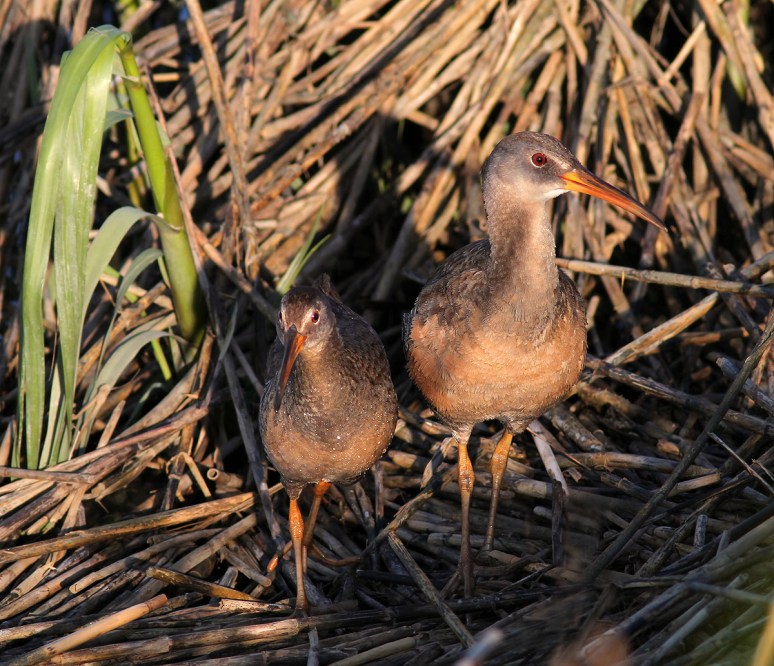
Clapper Rails
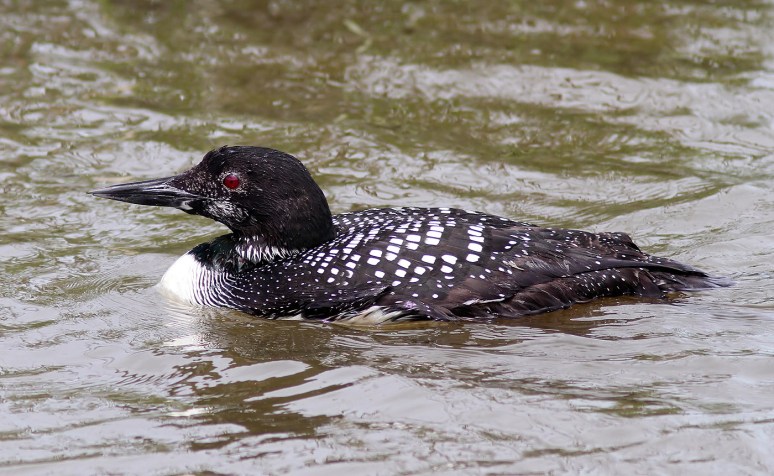
Common Loon
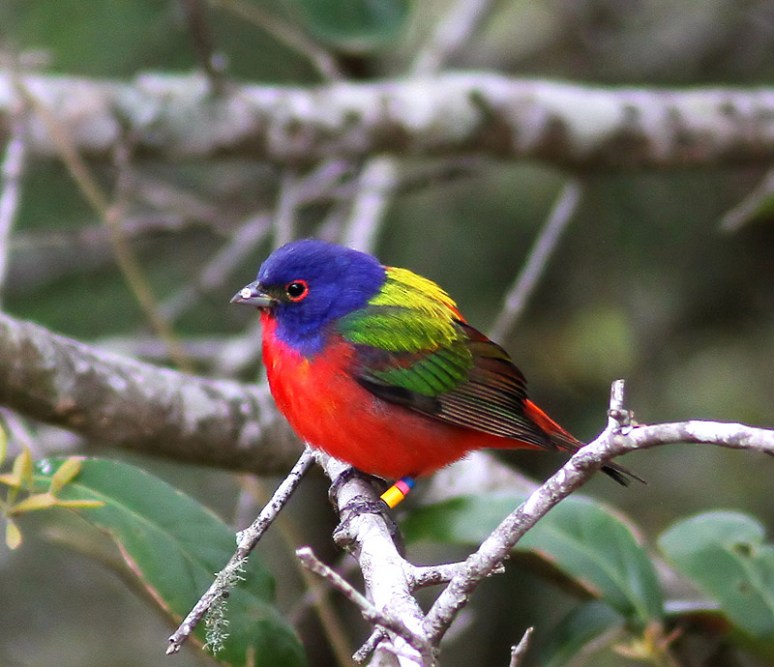
Male Painted Bunting

