Phil Lanoue Photography
I previously worked as a news and sports photographer. Recently I have been enjoying wildlife photography. My approach toward bird photos is similar to sports photography. I attempt to capture mostly action and hopefully a unique perspective.
Late Flight
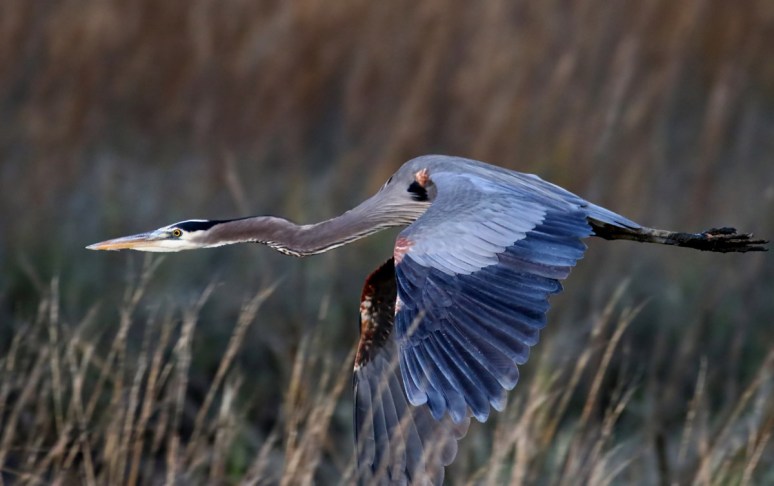
Yesterday, just prior to sunset, this great blue heron made an early evening flight across the salt marsh.
We have some cold weather coming in, so these birds better get themselves fed and into some shelter from the wind until temps get back to normal.
View From The Top
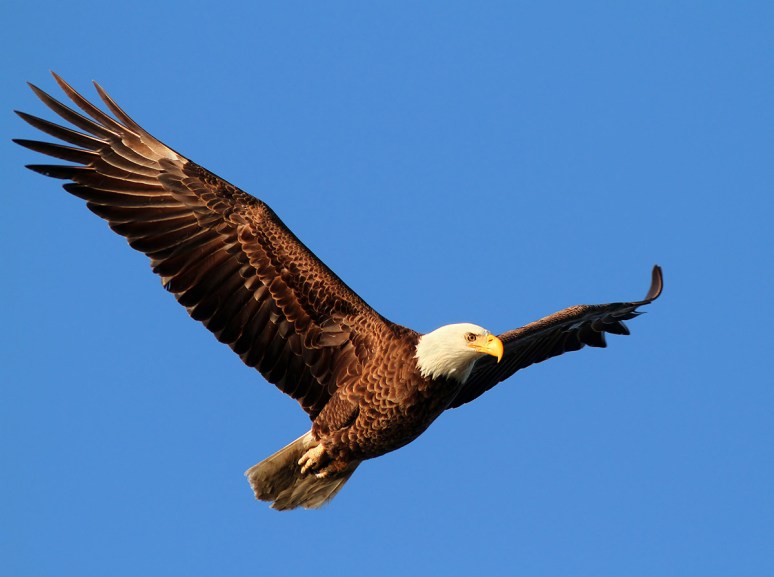
A bald eagle glides above the marsh on a crisp, blue sky winter day. I’m betting the eagle had a great view from up there.
Well, all except for me…It’s likely the eagle could easily live without some guy on the ground pointing an object up at him! But he paid zero attention to me, so I suspect I was just another part of the scenery.
It Was A Coot Mob Scene!
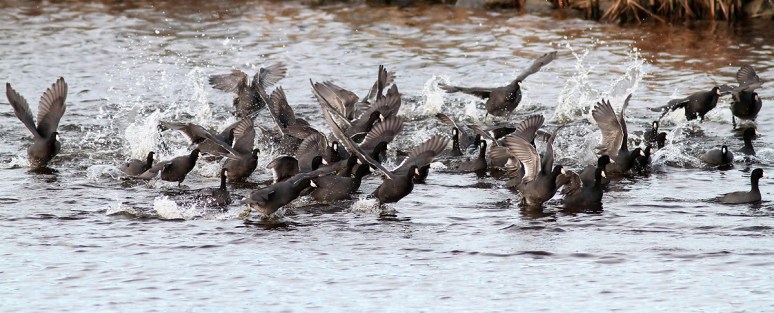
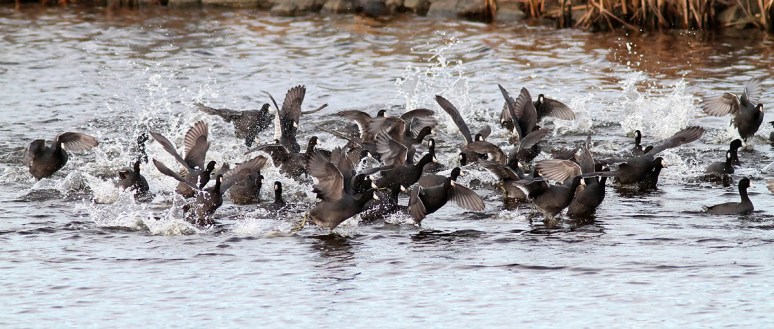
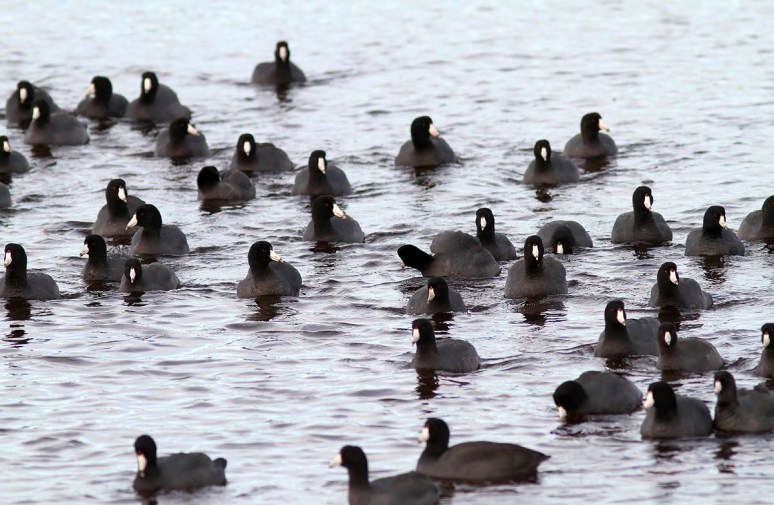
There was a good size group of coots out floating around in the marsh pond this afternoon. At one point something startled them and they all at once decided they had to scatter off in a panicked frenzy.
Usually this type of behavior is seen because a bald eagle starts circling overhead looking menacing. But I saw no eagle or anything else that appeared to require this immediate departure. Hard to tell what gets coots excited, but within minutes they were back floating along in their nice calm group.
About an hour later we were treated to a nice looking sky just prior to sunset.

Warm Winter Morning
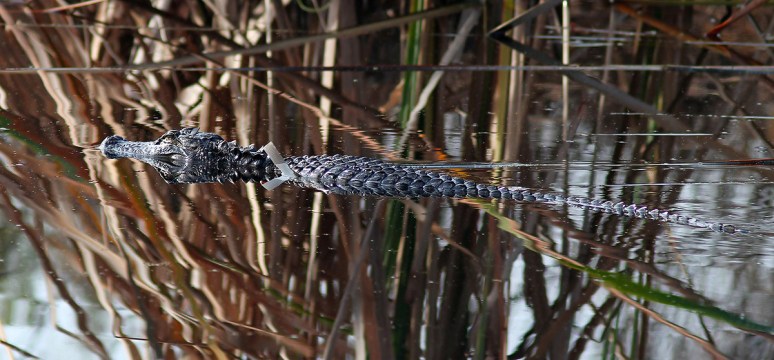
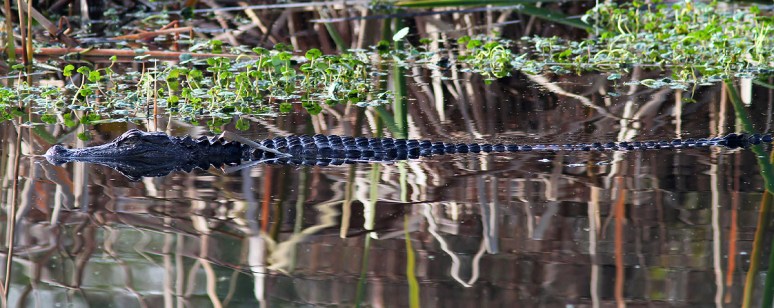
If we get an unseasonably warm day, even in January, you might find an alligator floating around in the swamp.
The alligators don’t hibernate in the strict sense, one can potentially come out on a winter morning to grab a little sun.
They are slow and won’t move around all that much, and certainly won’t hunt for a meal, but a nap in the sun is always on the menu.

Morning Mink
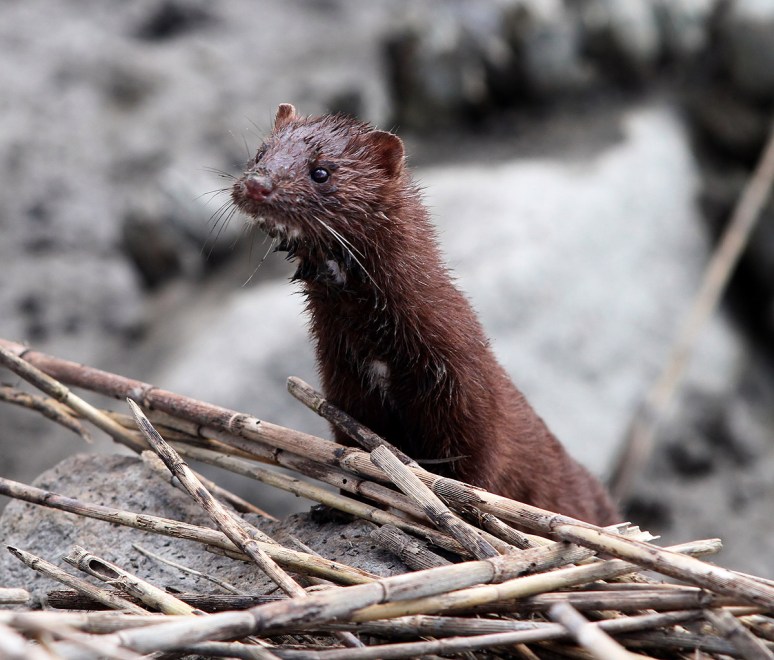
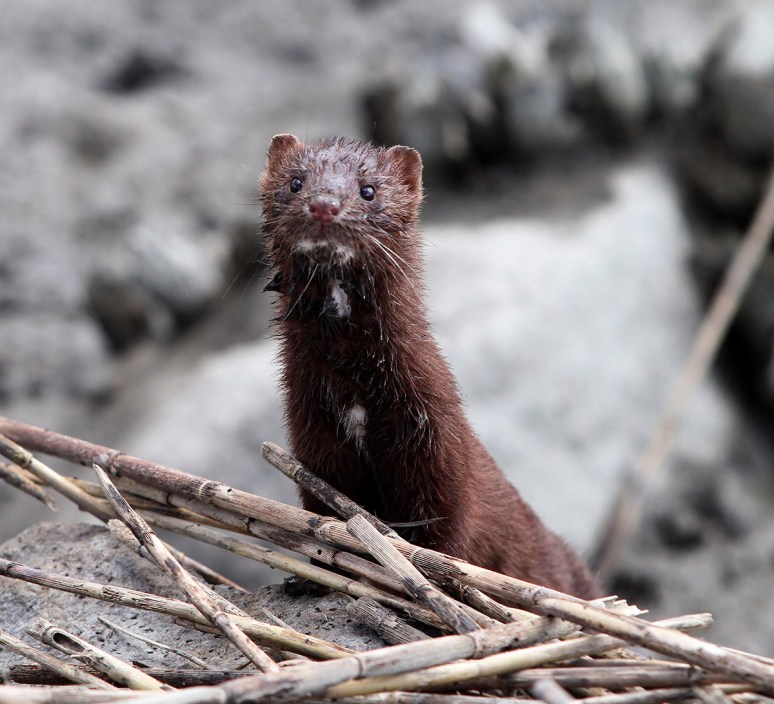
Here’s one of our little mink friends from a while back bopping around the edge of the salt marsh among the dried reeds.
His face is still a bit wet from poking around in the water hunting for a fish, but the fur will dry quickly. They often go in and out of the water several times searching for a tasty meal.
Fishing Buddies
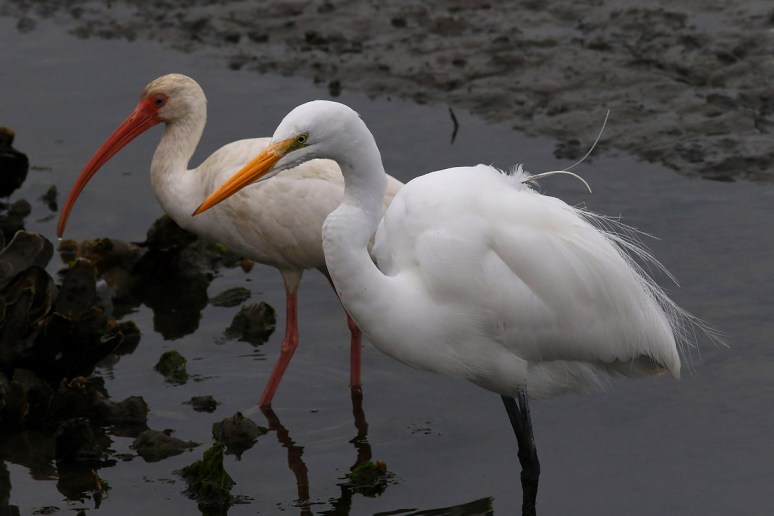
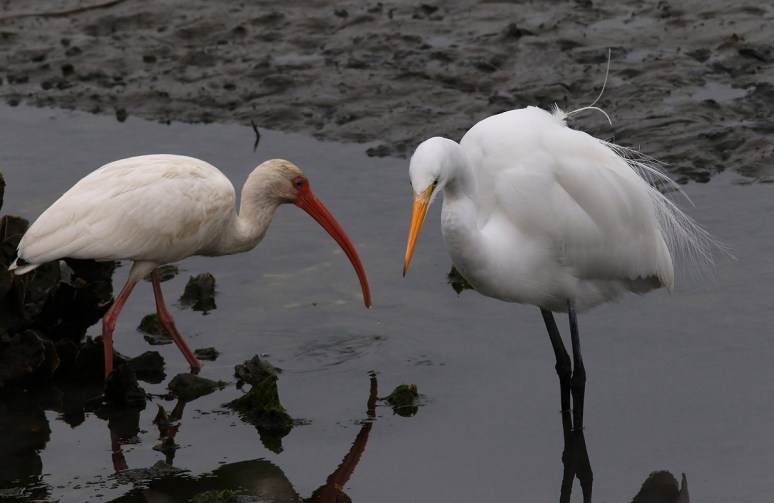
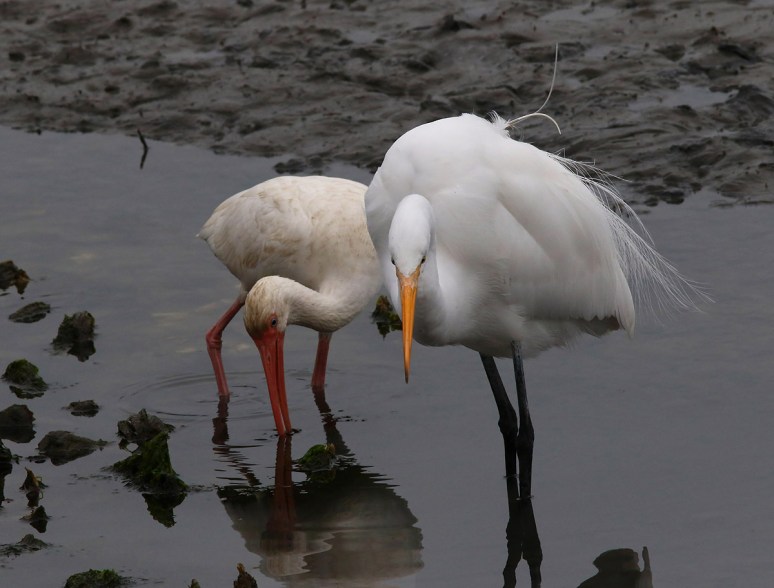
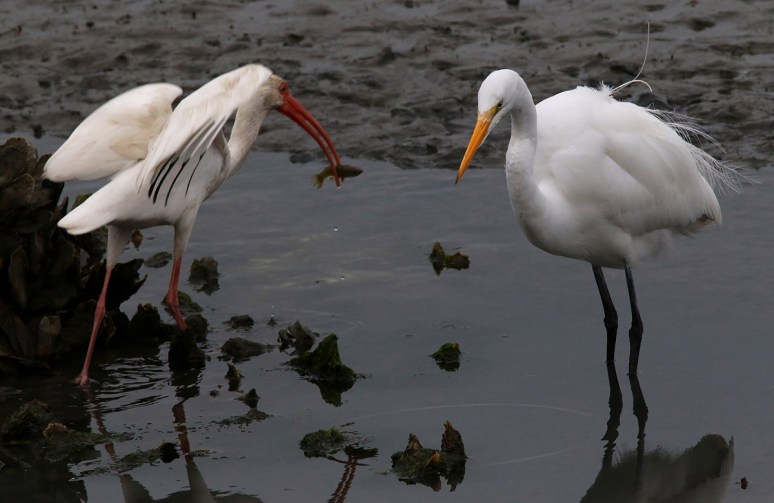
It was a dark, grey day out at the salt marsh this afternoon. But that didn’t stop Radar from being out looking for an afternoon meal, and this time he had a friend with him. A white ibis had joined in the hunt and amazingly, Radar seemed happy to have the company.
At one point the ibis caught a fish and quickly scurried off to munch it down before Radar could snatch it away. But both the ibis and myself were quite shocked when Radar paid absolutely no attention to the catch, he just continued on with his own fishing.
Despite the gloomy weather, Radar appeared to be in a very pleasant and sharing mood today.
Almost Got Away…
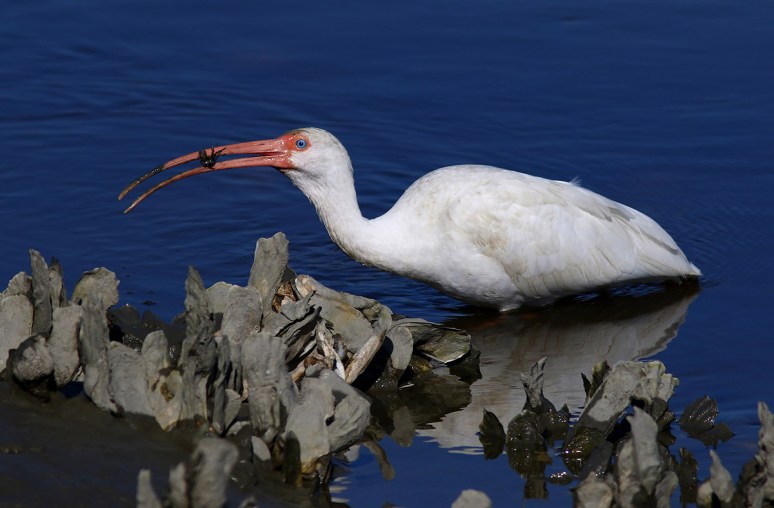
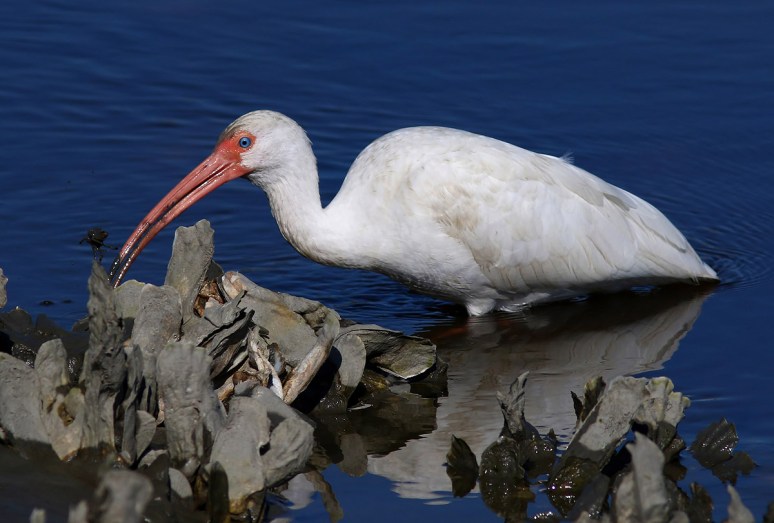
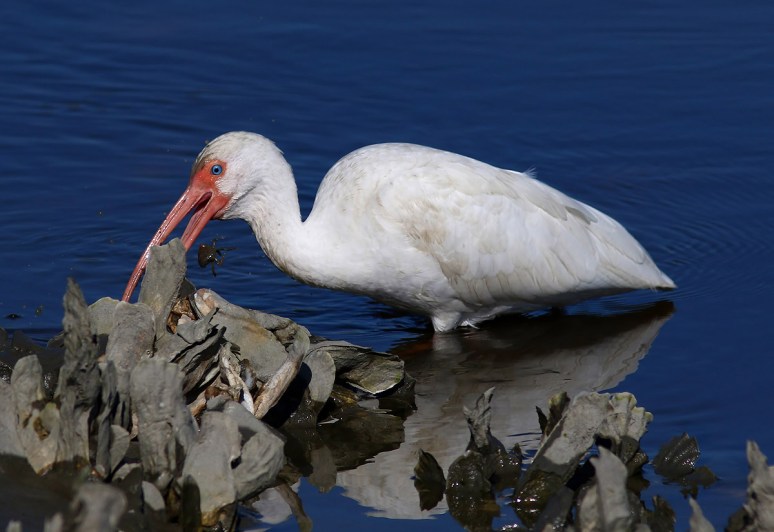
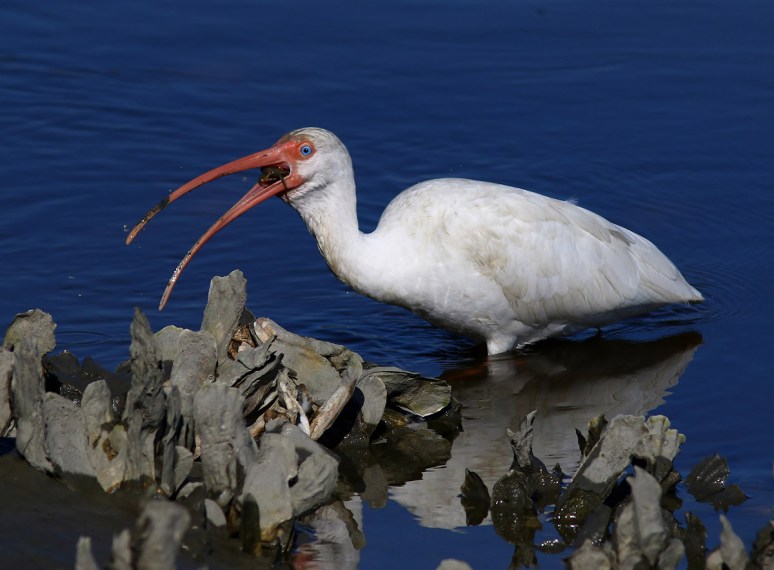
This afternoon I was watching a white ibis feeding in and around the oyster beds in the salt marsh. At one point the ibis plucked out a small mud crab but the little crab didn’t want to go quietly. The crab managed to fight it’s way out of the ibis’ long curved bill and the bird dropped it.
But…the hungry ibis was not about to let his tasty treat get away that easy. He immediately re-caught the crab and swallowed down the crunchy snack!
Sure, It Looks Like Fun…
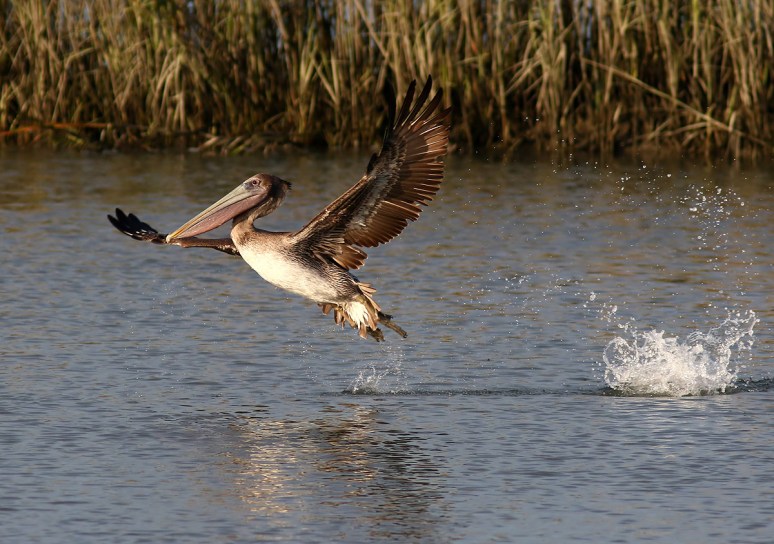
I was watching this young brown pelican fishing in the salt marsh on a recent afternoon. The bird seemed to be having a good time splashing around, and flying back and forth low over the water.
But especially for the juveniles, fishing is serious business. It’s in those first couple of early years where experience means survival. We have seen a few young brown pelicans dead around the area. Sometimes it’s a sudden drop in temperature during the night combined with not catching enough food that can create a fatal crises for these birds.
Of course most will survive which is apparent from the large numbers of them we can see almost year round flying just out over the ocean as well as a bit inland.